
Co to jest portal etykietowania VACnet?
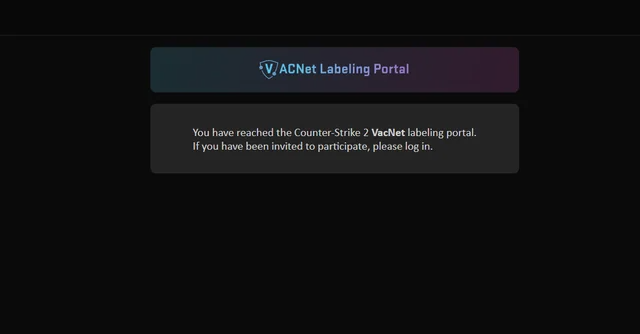
Jeśli jesteś jednym z nielicznych szczęśliwców wybranych przez Valve, w menu głównym gry pojawi się nowa, specjalna ikona, prowadząca bezpośrednio do strony internetowej VACnet. Jeśli jeszcze Cię nie wybrano, kliknięcie łącza spowoduje wyświetlenie strony zastępczej. Dla osób mających dostęp otwiera w pełni rozbudowany interfejs recenzowania w stylu Overwatch.
Istnieje jednak jedna zasadnicza różnica pomiędzy starym Overwatch a nowym portalem etykietującym VACnet: Twoje werdykty nie skutkują bezpośrednio banem gracza.
Nie możesz po prostu wydać wyroku "winny" na podejrzanego i oczekiwać, że natychmiast otrzyma zakaz gry. Zamiast tego Twoje recenzje działają jak starannie wyselekcjonowane dane wykorzystywane do train i udoskonalania systemu zapobiegania oszustwom opartego na sztucznej inteligencji firmy Valve, VACnet.
Rozpatrując sprawę, śledczy oglądają krótkie fragmenty rozgrywki z włączonym dźwiękiem i prześwietleniem (wallhack). Następnie proszeni są o ocenę podejrzanego pod kątem czterech konkretnych wykroczeń:
aimbot
Wallhack
Automatyczny Bunnyhopping
W pełni zautomatyzowany bot (niezależnie od tego, czy gracz jest tylko skryptem AFK/rolniczym)
Dla każdej kategorii recenzenci muszą wybrać jeden z trzech werdyktów: winny, niewinny lub niepewny.
Co ciekawe, Valve dodało ścisłe zastrzeżenie, prosząc uczestników, aby nie udostępniali publicznie tych klipów. Celem jest trzymanie twórców oszustów w nieświadomości na temat tego, czego dokładnie szuka VACnet i jak przetwarza dane. Z tego powodu nie należy spodziewać się w najbliższym czasie powrotu klasycznej serii "Overwatch Sunday" na YouTube.
Jak zdobyć zaproszenie?
Obecnie bramy do Portalu Etykietowania VACnet są silnie strzeżone. Są tylko dwa sposoby:
Bezpośrednie zaproszenie od Valve.
Zaproszenie od bieżącego uczestnika.(Chociaż ta funkcja jest w dużym stopniu restricted i wymaga, aby osoba zapraszająca wydała już dużą liczbę trafnych werdyktów).
Valve nie ujawniło publicznie dokładnych kryteriów wyboru, ale historycznie rzecz biorąc, system zawsze faworyzował doświadczonych graczy. W CS:GO "noobs" zostały celowo trzymane z dala od Overwatch, aby zapobiec fałszywym alarmom—nowy gracz może pomyśleć, że standardowy atak przed strzelaniem lub zwykły wallbang jest rażącym oszustwem.
Chociaż dokładny próg umiejętności pozostaje tajemnicą, można bezpiecznie założyć, że będziesz potrzebować solidnego trust factor, czystej historii konta i prawdopodobnie przyzwoitej oceny Premier (np. ponad 15 000 punktów), aby w ogóle zostać uwzględnionym w falach początkowego wdrożenia.
Często zadawane pytania dotyczące VACnet
Chociaż społeczność jest zachwycona widząc, jak Valve podejmuje proaktywne kroki przeciwko oszustom, portal etykietowania VACnet rodzi kilka utrzymujących się pytań:
Po jakim czasie zobaczymy rezultaty? Ponieważ jest to narzędzie do uczenia maszynowego train, a nie młotek do natychmiastowego banowania, nie jest jasne, ile czasu zajmie, zanim werdykty społeczności przełożą się na zauważalnie czystsze środowisko dobierania graczy.
A co z sabotażem? Złośliwi aktorzy i twórcy oszustw niewątpliwie będą próbowali przeniknąć do portalu, aby przedstawić fałszywe "Not Guilty" werdykty, próbując przekazać VACnet złe dane. Czas pokaże, w jaki sposób Valve planuje odfiltrować tych złych aktorów.
Gdzie jest zachęta? Obecnie nie są znane żadne nagrody (takie jak zdobyte PD czy medale za służbę) za ukończenie spraw. Czy bez zachęty w grze społeczność pozostanie wystarczająco zmotywowana, aby stale przeglądać zgłoszenia?
Pomimo tych niewiadomych portal etykietowania VACnet to ogromny krok we właściwym kierunku. Valve najwyraźniej pracuje za kulisami, aby uzbroić CS2 w solidny moduł anty-cheat, na jaki zasługuje.


Z komentarzem