
What's the Difference Between Pos 4 and Pos 5?
Position 4 is generally the more flexible support role, often combining lane pressure, rotations, and initiation — not every Pos 4 roams constantly, and some stay on a lane longer to help an offlaner or hold down territory. Position 5 usually focuses more on protecting the carry, maintaining vision, and providing reliable utility with limited farm. Both roles lean on crowd control and utility over raw damage, just on different timelines.
Best Dota 2 Support Heroes (2026)
These eight heroes were selected for their crowd control, utility, roaming potential, and ability to contribute without heavy farming. The list focuses on reliable support playstyles rather than a strict win-rate ranking, since hero strength changes with every Dota 2 balance patch.
| Hero | Position | Why It's Strong |
|---|---|---|
Bounty Hunter | Pos 4 | Stealth-based roaming, enemy tracking, bonus gold from kills |
Nyx Assassin | Pos 4 | Spiked Carapace punishes aggression, Vendetta burst from invis |
Spirit Breaker | Pos 4 | Charge of Darkness forces fights anywhere on the map |
Earthshaker | Pos 4 | Echo Slam can end a teamfight in one cast |
Oracle | Pos 5 | False Promise can make a carry nearly unkillable mid-fight |
Vengeful Spirit | Pos 5 | Magic Missile sets up kills, Nether Swap saves or ganks instantly |
Lich | Pos 5 | Chain Frost snowballs teamfights, Frost Blast zones out a lane |
Grimstroke | Pos 5 | Soulbind punishes split positioning, Phantom's Embrace silences the target that matters |
Bounty Hunter
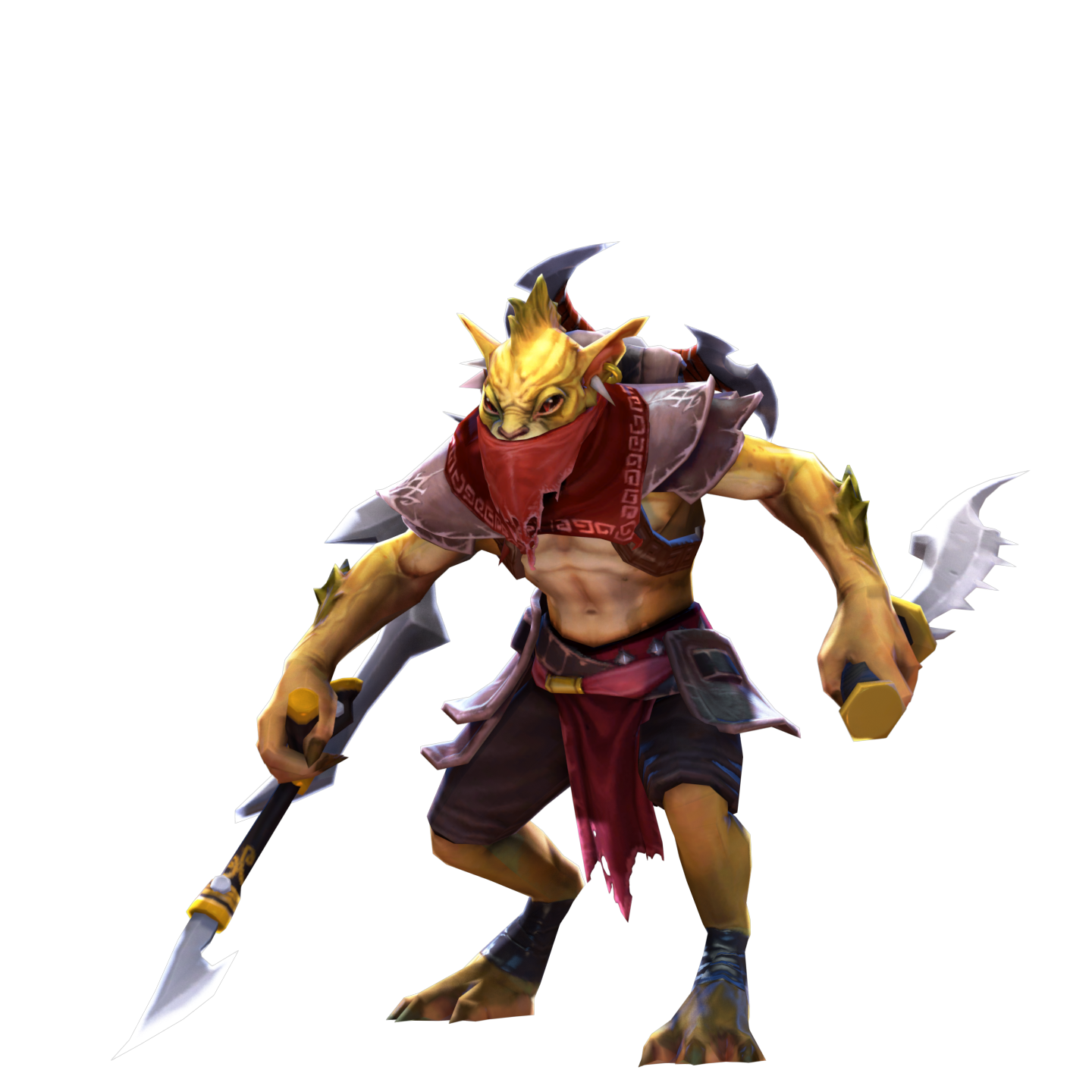
A Pos 4 staple built around roaming the map and picking off isolated targets. Shadow Walk grants invisibility for repositioning and ganks, Shuriken Toss deals ranged damage, and the ultimate, Track, reveals an enemy hero and grants Bounty Hunter's team bonus movement speed, plus a large gold reward if that hero dies soon after — useful for setting up kills across the map rather than just in one lane.
Nyx Assassin
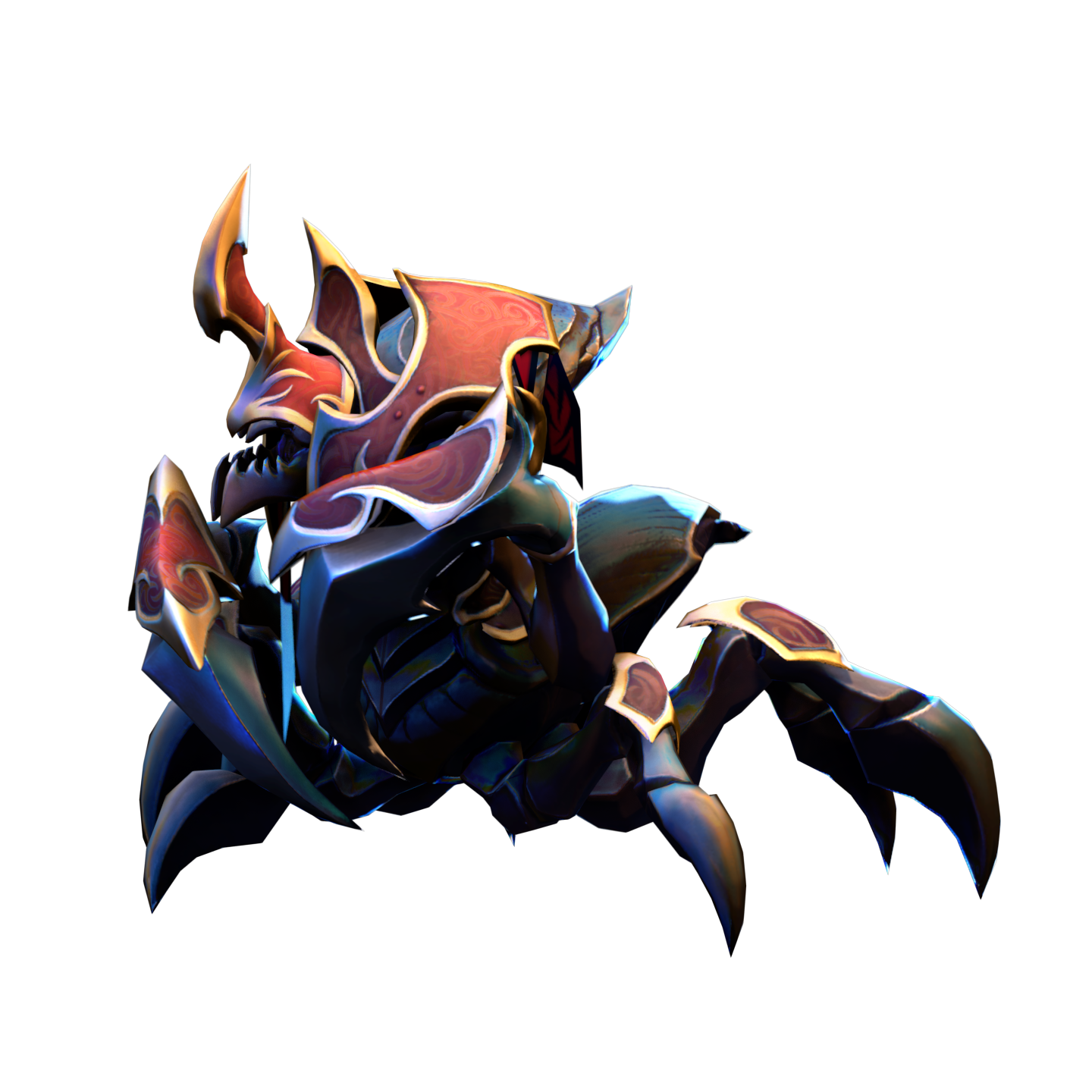
Spiked Carapace reflects damage and stuns anyone who attacks him while it's active, which punishes overaggressive lane opponents almost for free. Impale stuns in a line, and the ultimate, Vendetta, grants invisibility that sets up a burst of bonus damage on the next attack — a strong answer to heroes who rely on initiating first.
Spirit Breaker
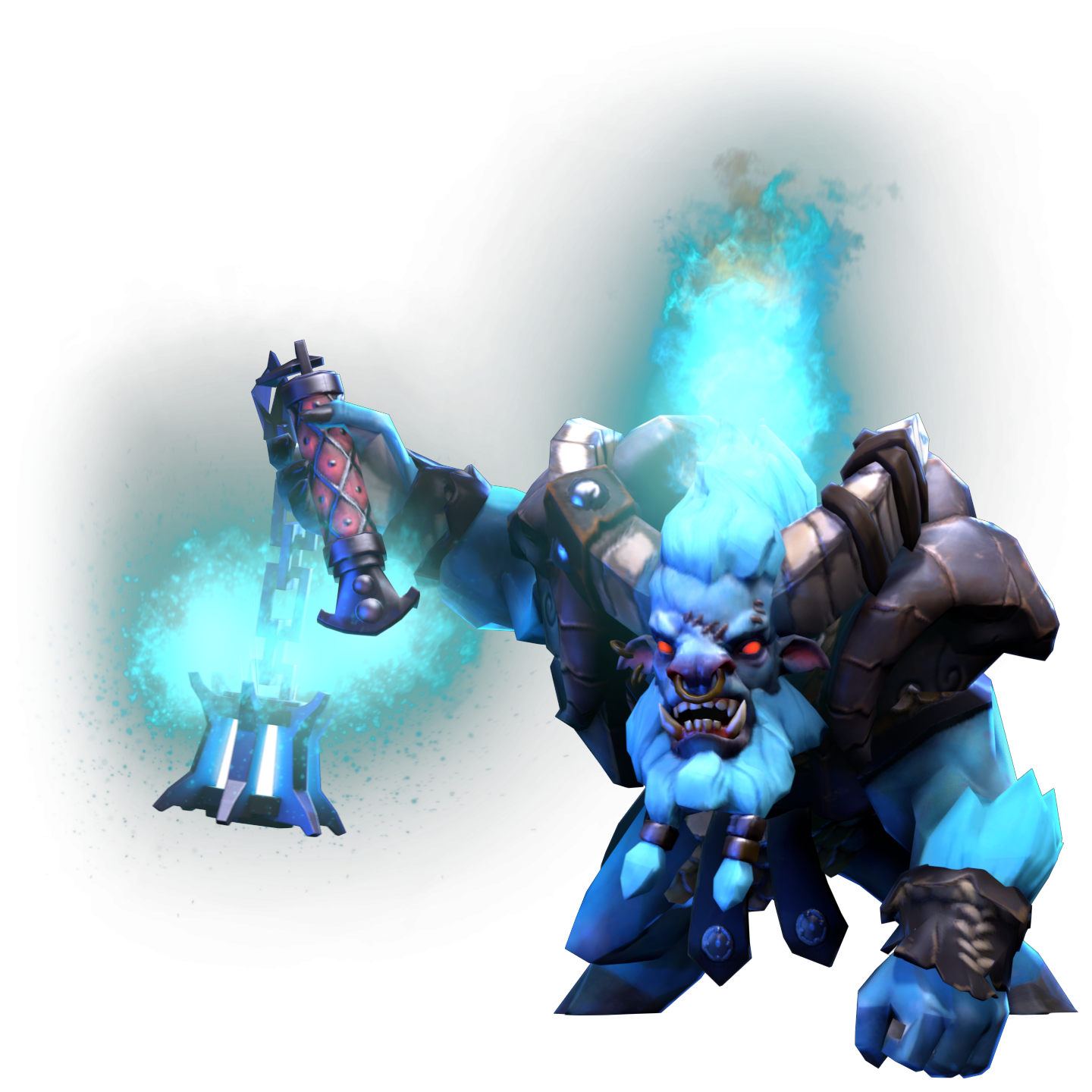
Charge of Darkness is a long-range, unstoppable gap-closer that can connect from almost anywhere on the map, and Greater Bash passively stuns on a percentage of his attacks. The ultimate, Nether Strike, teleports to a target and deals bonus damage — a hero built around forcing fights the enemy team didn't plan for.
Earthshaker
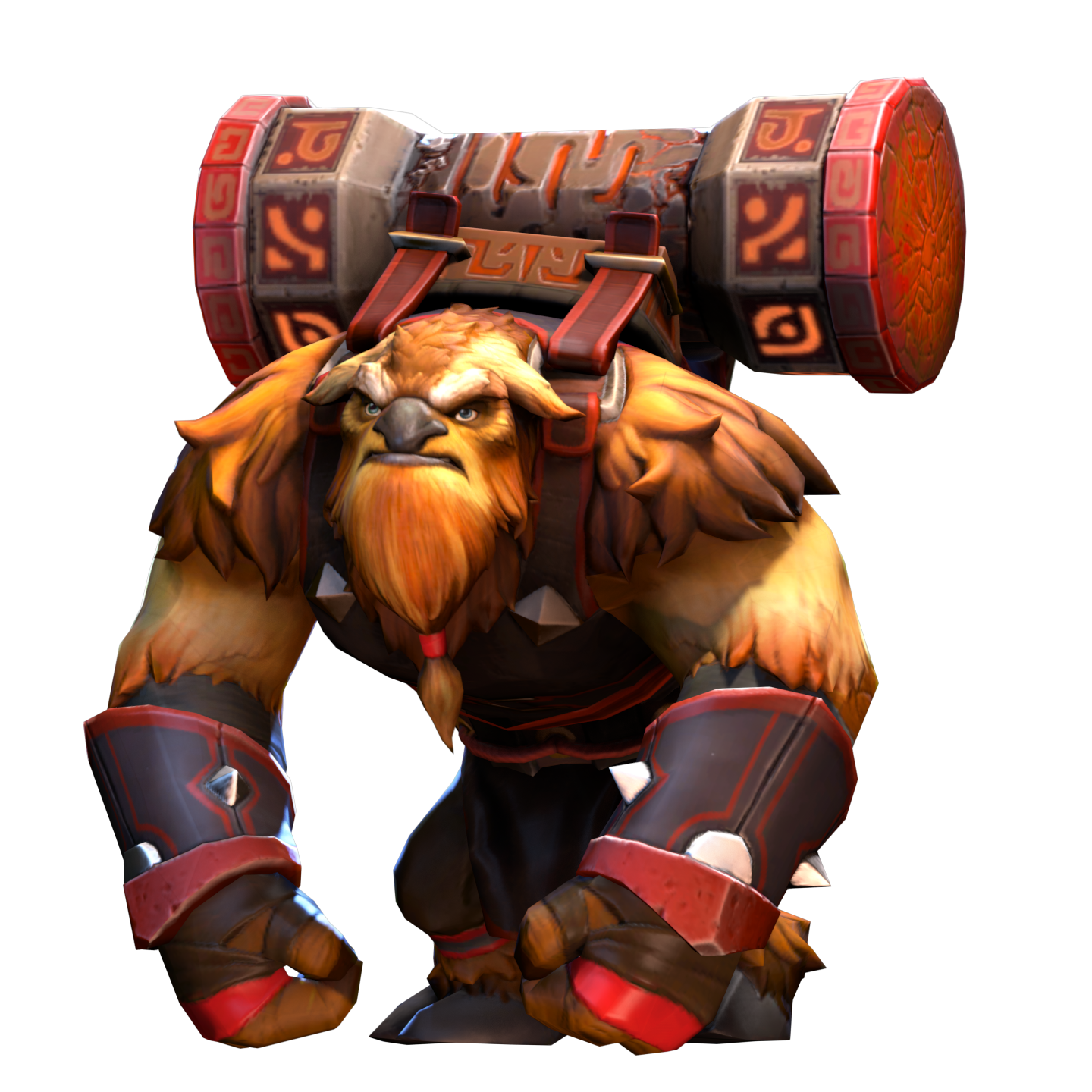
Fissure stuns in a line and blocks pathing, and the passive Aftershock adds a stun pulse every time he casts a spell. The ultimate, Echo Slam, deals devastating area damage that becomes stronger when multiple enemy units are grouped together — making Earthshaker especially dangerous against clustered teams, not just clustered heroes.
Oracle
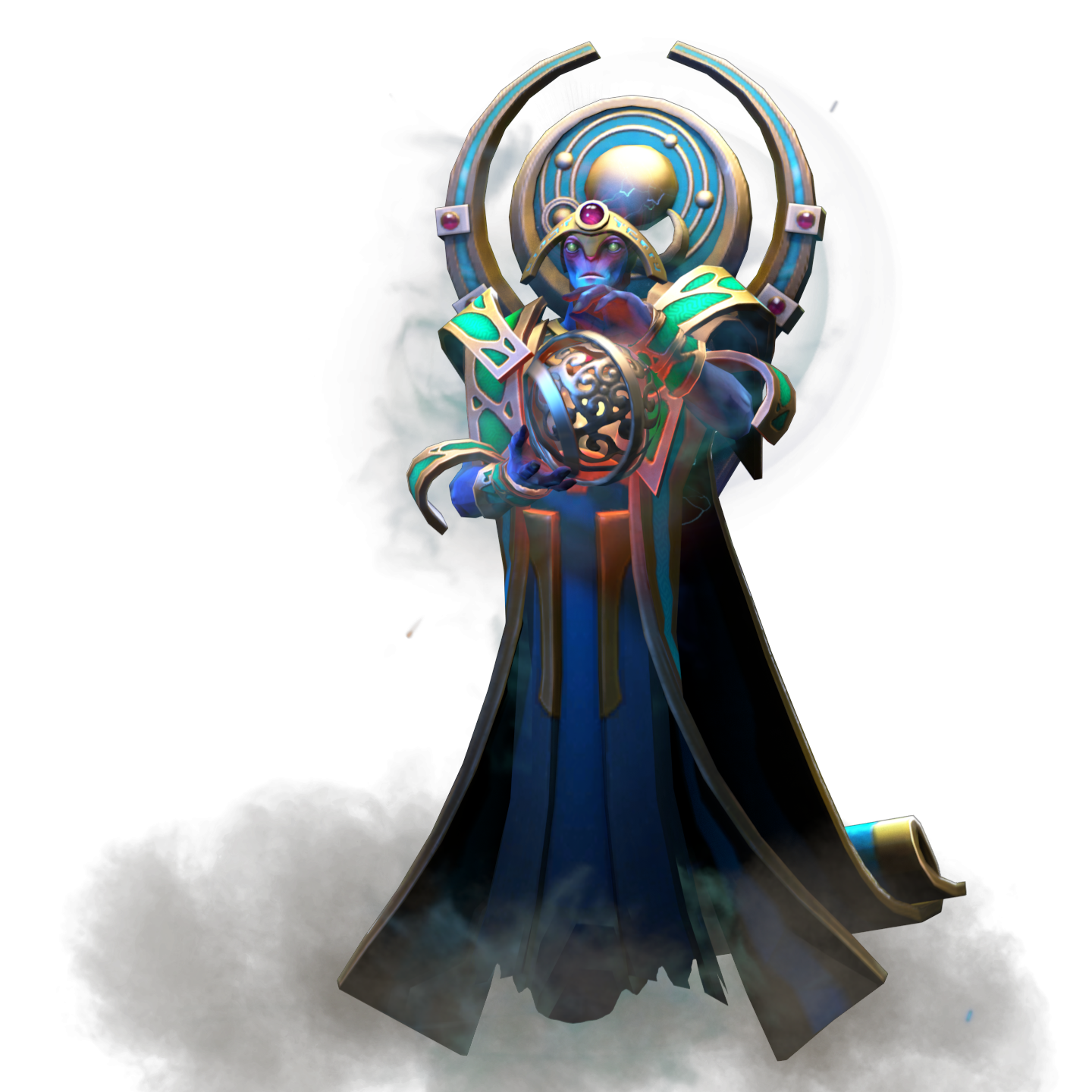
One of the more unusual Pos 5 kits in the game: Fate's Edict disarms an enemy or shields an ally with bonus magic resistance, Fortune's End is a channeled root that gets stronger the longer it's held, and Purifying Flames heals or damages depending on the target. The ultimate, False Promise, delays an ally's incoming damage and buffs the eventual heal — capable of making a carry survive a fight they'd otherwise lose.
Vengeful Spirit
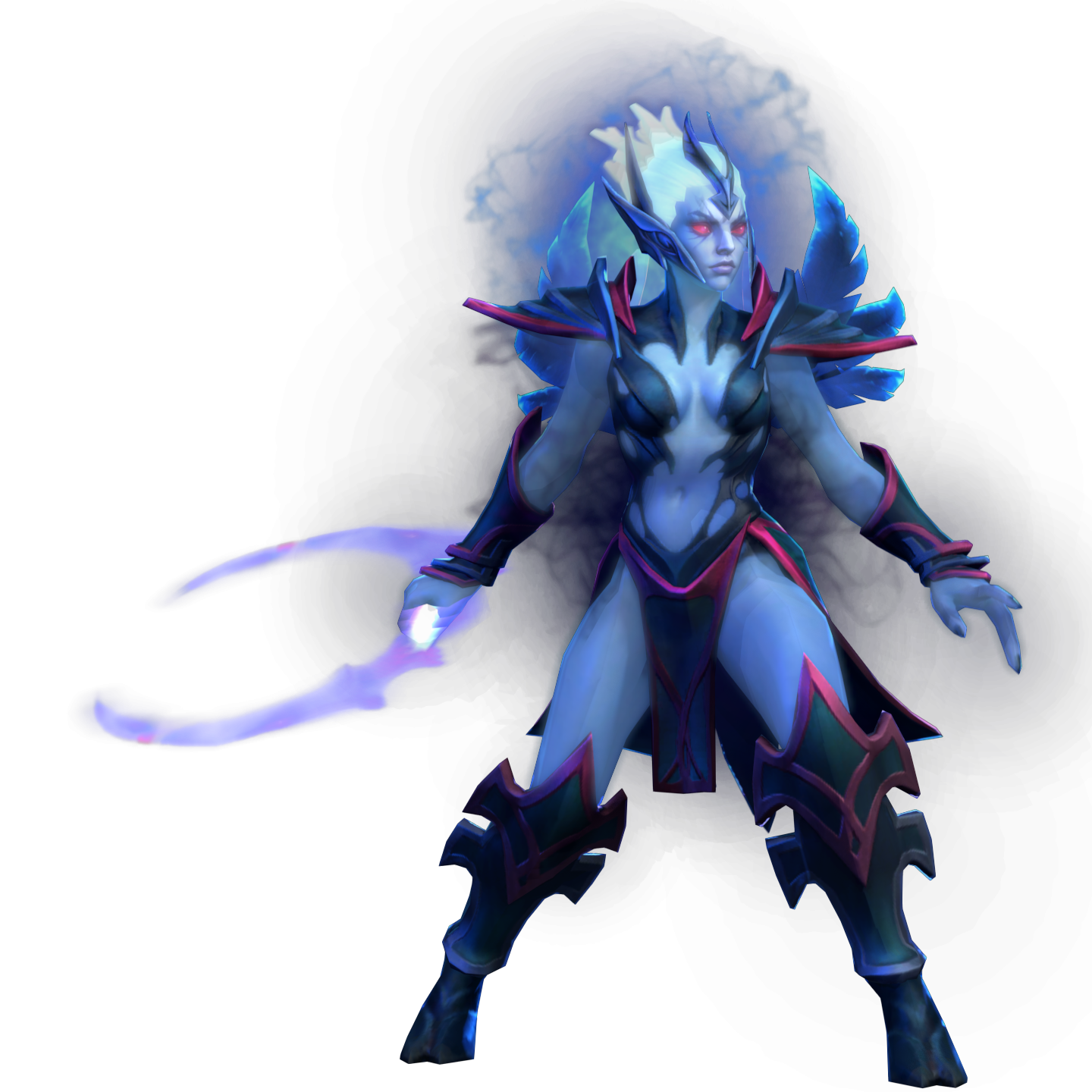
Magic Missile is a long-range stun that deals damage and bounces once to a second target, making it one of the strongest pick-off tools available to a Pos 5. Wave of Terror strips armor and damage from enemies it passes through, and the passive Vengeance Aura boosts nearby allies' damage — with an even bigger bonus for herself — leaving an illusion behind if she dies while it's active. The ultimate, Nether Swap, instantly trades positions with any unit on the map, pulling an endangered ally to safety or dragging an overextended enemy hero straight into her team.
Lich
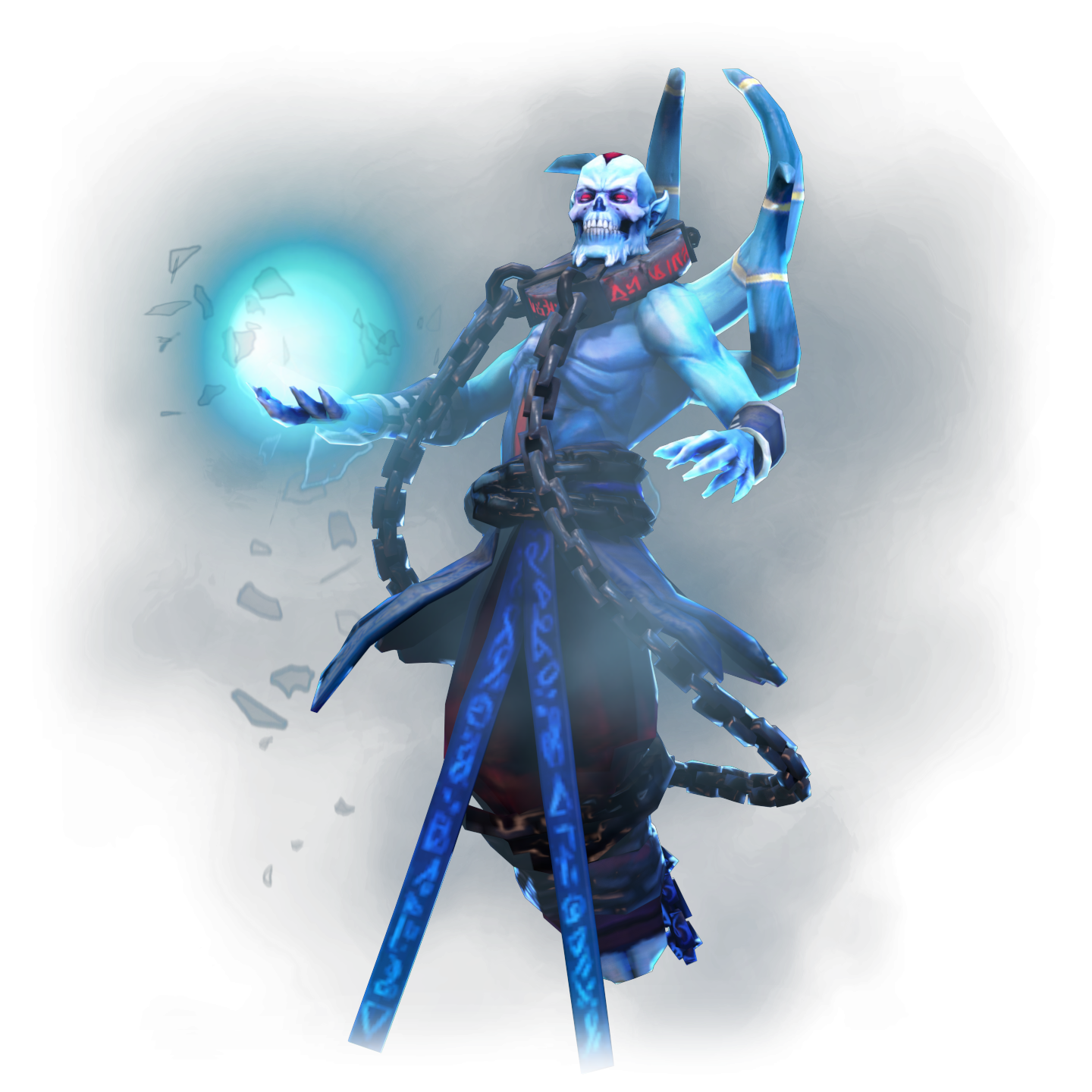
Frost Blast slows movement and attack speed while dealing area damage, and Frost Shield wraps an ally (or a building) in a magical barrier that also slows nearby enemies who get too close. Sinister Gaze channels a pull on a single target, dragging them toward Lich or his allies. The ultimate, Chain Frost, bounces between enemies up to ten times, slowing and damaging each one it hits — a spell that can snowball out of control once a fight clusters up, and one that can't be disjointed.
Grimstroke
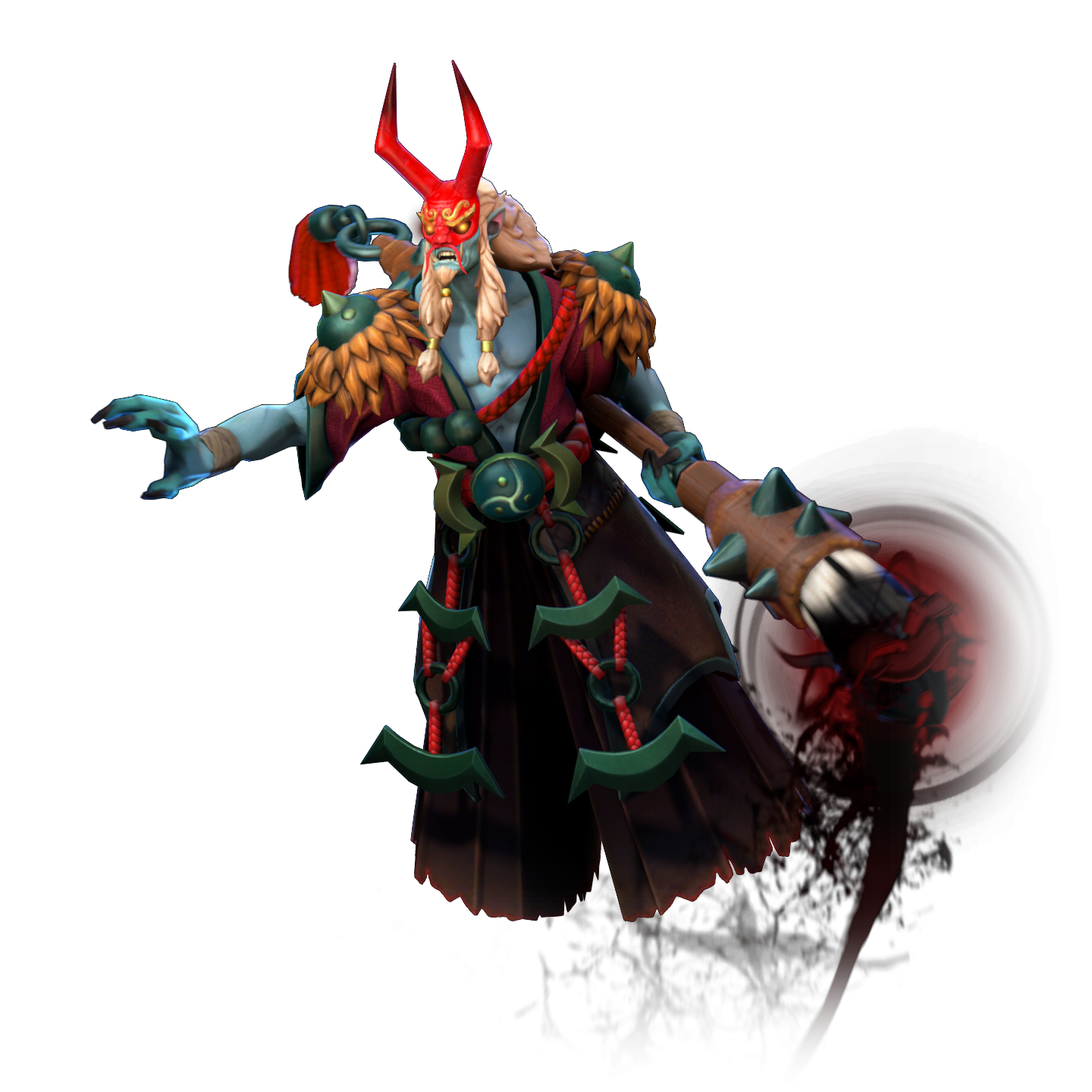
Stroke of Fate paints a curved line of damaging, slowing ink whose damage grows with every enemy it clips, and Phantom's Embrace sends out a phantom that latches onto a target, silencing and damaging it before detonating for a heavy burst of damage if it survives the full duration. Ink Swell shields an allied hero in ink that speeds them up, then bursts into a stun after a few seconds. The ultimate, Soulbind, tethers an enemy hero to Grimstroke's nearest ally so neither can move far from the other — and anything cast on one also hits the second.
If you already own cosmetic items for these heroes, our Dota 2 inventory value calculator guide explains how to check what your collection might be worth.
FAQ
What's the easiest support hero to start with?
Lich is one of the more approachable heroes on this list thanks to straightforward, single-target spells and no tricky combos to learn. Spirit Breaker is another accessible option for players who enjoy initiating fights. Oracle, Earthshaker, and Grimstroke generally require more practice, since positioning and ability timing matter more on those three.
Should new players pick Pos 4 or Pos 5 first?
Pos 5 is usually the gentler introduction — the job is narrower (ward, protect the carry, use utility) and doesn't require roaming the map for kills the way Pos 4 does.
What's the difference between a good Pos 4 and Pos 5 pick?
Pos 4 heroes are built for mobility and picking fights across the map early on, while Pos 5 heroes are built to survive on very little farm and support whoever's actually carrying the game.
Do support heroes need as much farm as carries?
Supports generally need less farm than carries, but they still rely on important item timings. Instead of prioritizing expensive damage items, they usually invest in utility, survivability, vision, and team-oriented equipment.
Why do some supports, like Bounty Hunter, roam instead of staying in one lane?
Pos 4 heroes typically have strong mobility or stealth tools built in — Bounty Hunter's Shadow Walk, for example — that make rotating between lanes for kills more valuable than farming a single lane passively.

Yorum yaz