
Ska jag sälja CS2 skin just nu?
Beror helt på vad du håller i och vad som har hänt under det senaste året. Hoppa över det sammanhanget och varje beslut är ett myntkast.
Trading volymen 2025 nådde cirka 4,2 miljarder USD, upp från 3,5 miljarder USD 2024 – ungefär 20 % tillväxt. Tre saker drev på det: CS2's andra helår på Source 2-motorn, lockade fler kinesiska köpare och en växande skara som behandlade skin som en faktisk investeringskategori. Låter som ett håll argument. Men 2025 var inte en rak linje upp.
Oktoberuppdateringen är det som förändrade allt. Valve lät spelarna byta ut fem covert skin mot ett speciellt föremål, och marknaden reagerade direkt. Vissa människor hade redan positionerat sig för det. De flesta hade inte. Värdet flyttade snabbt – dagar, inte veckor – och konsekvenserna spelar fortfarande ut nu. När folk frågar ska jag sälja CS2 skin nu, är den uppdateringen baslinjen för hela konversationen.
Tre saker driver priserna 2026:
Ventiluppdateringar – trade-up mekanikbyten, nytt hölje drops, föremål som lämnar poolen. Någon av dessa flyttar priser samma dag.
Den konkurrenskraftiga kalendern – Majors, IEM, ESL. Tittartopparna drar efterfrågan på skin med sig, särskilt för souvenirs och allt som får skärmtid.
Investeringsdynamik – miljoner dollar trades är inte ovanliga längre. Professionella traders arbetar på samma marknad som vanliga spelare, med samma data.
Ärlig magkontroll: är det du håller kvar från oktober? Eller sjönk den och stannade? Dessa två situationer behöver helt olika svar.
Ska du sälja röda och Covert skin?
Röda skin var noll för allt som hände 2025. Det är sammanhanget alla behöver innan de ringer – och det spelar stor roll för alla CS2 spelare som frågar om jag ska sälja mina covert skin.
Före oktober, var coverts lugna. Stabila. Sedan kom exchange-mekaniken. Siffrorna för MP7 | Bloodsport visar tydligast vad som hände:
Föruppdatering Factory New: ~$8,77
Efteruppdatering Factory New: ~$104
Efteruppdatering Battle-Scarred: ~$35
Inte en gradvis rörelse. Veckor. Och det var inte ens över hela linjen – vissa spelare fångade det perfekt, andra fick reda på det i efterhand.
Efter uppdatering, sällsynta icke-StatTrak Field-Tested röda nådde $1 500. Den siffran har sedan dess sjunkit. Betydligt. Så för alla som för närvarande har coverts och frågar ska jag sälja mina CS2 röda skin nu – har toppen redan inträffat. Nu är frågan om dagens pris är där saker och ting sätter sig, en tillfällig botten eller något däremellan.
Här blir det mer specifikt. Ska jag sälja mina red skin CS2 har inte ett enstaka svar, eftersom svaret ändras beroende på vilken typ av röd skin du tittar på. Prissvängningar mellan kategorier på samma tidsram kan vara 30, 40, 50 procent från varandra.
Coverts på top-tier-vapen – AK-47, M4A4, AWP – håller sig bättre, eftersom köparunderlaget inte försvinner när stämningen svänger. De återhämtar sig snabbare också.
Coverts på lågplockade vapen – mindre publik, mer exponerad när marknaden går åt sidan under några månader.
StatTrak coverts – har en riktig premium jämfört med standardversioner och reagerar långsammare på trade-up mekanik. StatTrak objekt ingår inte i de flesta kontrakt ändå.
Factory New med låg float – samlarefterfrågan höll detta segment relativt stabilt. Float köpare tänker i år, inte månader.
Summa summarum: om din covert gick upp efter oktoberuppdateringen och fortfarande ligger långt över pre-patch priset – är det vettigt att sälja. Det gapet tenderar att sluta när marknaden normaliseras. Om du håller i något med faktisk ihållande efterfrågan – toppklassvapen, sällsynta float, StatTrak – har dessa trender upp över åren oavsett individuella uppdateringar.
Ska du sälja alla dina CS2 skin?
Att sälja allt är ett annat beslut än att sälja en vara. Alla som frågar borde jag sell alla mina CS2 skins kommer vanligtvis från ett av två ställen: jag behöver pengar som fungerar utanför Steam eller vill konsolidera till färre, dyrare föremål.
Om du behöver faktiska kontanter – inte Steam-saldo – kan marknaden hantera det. Den dagliga volymen på Steam Market var norr om 5 miljoner USD i slutet av 2025. Standardartiklar flyttas. Huvudsaken är att välja rätt plattform och inte bara dumpa listor och vänta.
Att sälja allt är inte vettigt om du planerar att fortsätta spela. Att komma in igen kostar nästan alltid mer än att stanna kvar, särskilt för allt med begränsat utbud – gamla samlingar, souvenir föremål, specifika floats. Mellan avgifter på säljsidan och avgifter på köpsidan ser du på att 20–25 % gått bort precis från tur och retur. Att matematik spelar roll.
Det finns också en verklig skillnad mellan en inventory byggd kring att faktiskt spela och en som i huvudsak är en position. Att sälja en skräddarsydd loadout innebär att ge upp en del av varför spelet är roligt. Säljer tjugo exemplar av samma skin som greps på releasedagen för att du trodde att det skulle flytta – det är bara en utgång.
Situationer där att gå all-in på att sälja faktiskt är vettigt:
Kontot har varit inaktivt ett tag och skinsen gör ingenting för dig.
Saker i inventory hoppade på oktoberuppdateringen eller något annat hypefönster och du vill helst inte vänta ut en eventuell korrigering.
Du försöker konvertera en hög med små föremål till färre större – en tredjepartsplattform hanterar detta mer effektivt än Steam gör ett föremål i taget.
Du är klar med CS2. Inte ta en paus – faktiskt gjort.
Utanför dessa situationer, full likvidation sällan pennor ut. Bättre att dela upp inventory i vad som ska hållas på lång sikt, vad som ska flyttas nu när priset är anständigt och vad som ska konverteras till Steam-balans och använda i ekosystemet. Olika saker, olika svar.
När är bästa tiden att sälja CS2 skin?
Timing är en av de få verkliga fördelarna en vanlig spelare har jämfört med professionella traders som i allt större utsträckning arbetar på denna marknad. Att känna till cyklerna är inte längre valfritt – det är faktiskt användbart.
Sommaren är mjuk. Juni och juli specifikt – aktivitet drops, säljare underskred varandra, priserna mjuknar. Vintern är motsatsen. Semesterupptakten, Steam-vinterrean, skollov – alla pressar CS2 och skinintresset ökar igen. En populär skin kan röra sig 10–20 % på några veckor bara från säsongsbetonad efterfrågan. Att sälja samma vara i november jämfört med juli är ingen teori. Det är pengar.
Tre andra signaler värda att spåra:
Majors och stora turneringar – efterfrågan ökar medan tittarsiffran är hög. Det varar inte länge efter att evenemanget är slut. Sälj under, inte efter. Post-Major souvenir översvämningar sätter reell press på relaterade priser.
Uppdateringar av cases och drift – nytt innehåll driver gamla föremål mot brist. Prisma 2 case steg med ungefär 70 % i början av 2024 efter att drops avslutades i slutet av 2023. Gamla fall som stoppar droppingtrenden över tiden, nästan utan undantag.
Steam-försäljning – spelare säljer skin för att köpa spel under rean. Tillfälligt men konsekvent tryck nedåt varje gång. Sälj innan, inte under.
Praktiska fönster för försäljning:
Slutet av oktober till mitten av december – efterfrågan före semestern innan trycket på Steam Sale börjar.
Under en aktiv Major – turnering driver synlighet köp medan den fortfarande är live.
Första veckan efter en betydande uppdatering – om en patch höjde priset på något du håller, är den första veckan vanligtvis toppen.
Tidig höst – sommarspelare kommer tillbaka, utbudet drar åt, priserna återhämtar sig av sig själva.
Synlighet, knapphet, hype – det är det som driver denna marknad. Den bästa tiden att sälja är inte slumpmässig. Det är rätt fönster med rätt plattform.
Redo att sälja? Skin.Land – snabb och lönsam
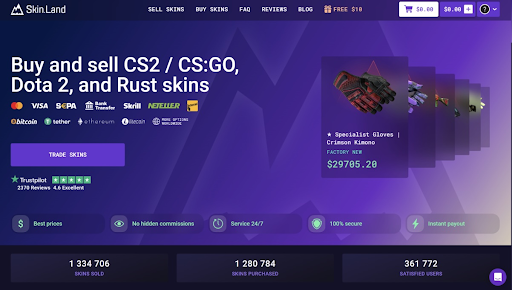
Steam tar 15 % sammanlagt – 13 % till Valve, 2 % till utvecklaren. På en meningsfull inventory är det inte ingenting.
Skin.Land konverterar CS2 skin till riktiga pengar snabbare och med mindre friktion. Omedelbar försäljning till marknadspriser, stöd för knivar, handskar, covert skin, cases, stickers – och ingen väntan på att en köpare ska hitta en annons. För alla som redan har gjort analysen och beslutat att flytta, Skin.Land får det gjort utan att avgiften blöder.

Marknaden stannar inte. Nya uppdateringar, nya frågor om när man ska sälja. Att ha en plattform som är snabb och ärlig när det gäller prissättning spelar lika stor roll som själva timingen.

Skriv kommentar