
Mikä on CS2 Active Duty Map Pool?
Active Duty -pooli on Valven seitsemän kartan kilpailurotaatio, jota käytetään Premierissä ja ammattilaistason Counter-Strikessa. Poolin pitäminen rajattuna antaa joukkueiden ja Premier-pelaajien keskittyä hallittavaan määrään karttapohjia, utility-lineuppeja ja strategioita sen sijaan, että opettelisi tusinan karttaa kerralla — tavallinen Competitive-matchmaking, Casual, Deathmatch ja Wingman ammentavat kaikki omista, laajemmista karttavalikoimistaan (täysi listamme jokaisesta CS2- ja CS:GO-kartasta kokoaa myös Active Dutyn ulkopuoliset). Valve vaihtaa karttoja Active Dutyyn ja pois ajoittain kilpailupoolin kehittyessä; tuorein muutos toi Cachen takaisin Overpassin tilalle Premierin viidenteen kauteen heinäkuussa 2026 — Anubiksen oman paluun jälkeen Trainin tilalle tammikuussa. Rankattuun näkökulmaan samoista seitsemästä kartasta Premier- ja competitive-karttapoolin tier-listamme purkaa poolin puhtaasti voittoprosentin kannalta.
CS2 Karttatasoluettelo (2026)
| Kartta | Taso | Paras | Vaikein osa opittavaa |
|---|---|---|---|
| Mirage | S | Kaiken kaikkiaan pelaamista, uusia pelaajia ja ammattilaisia | Keskiohjaus ja ikkunan kaksintaistelut |
| Inferno | A | Tiukan kulman taistelut, aggressiiviset teloitukset | Banaani ja toinen keskikierto |
| Ancient | A | Keskihallinnan taktikot | Luetaan, kenellä on kartan avainvalintapiste |
| Dust II | A | Pitkän kantaman kaksintaistelut, täysin aloittelijat | Ristikartan kierrokset savun alla |
| Nuke | B | Vertikaalinen strategia, monitasoinen puolustus | Kulmatarkistus kaksi kerrosta kerralla |
| Anubis | B | Kylkipainoiset, avoimet kierrokset | Pitkät kiertoreitit ja veden ylitykset |
| Cache | C | Ota uudelleen asiantuntijat, klassisen ulkoasun fanit | Rajoitettu nykyinen pro-tason hyödyllisyystietämys |
S-taso: Mirage
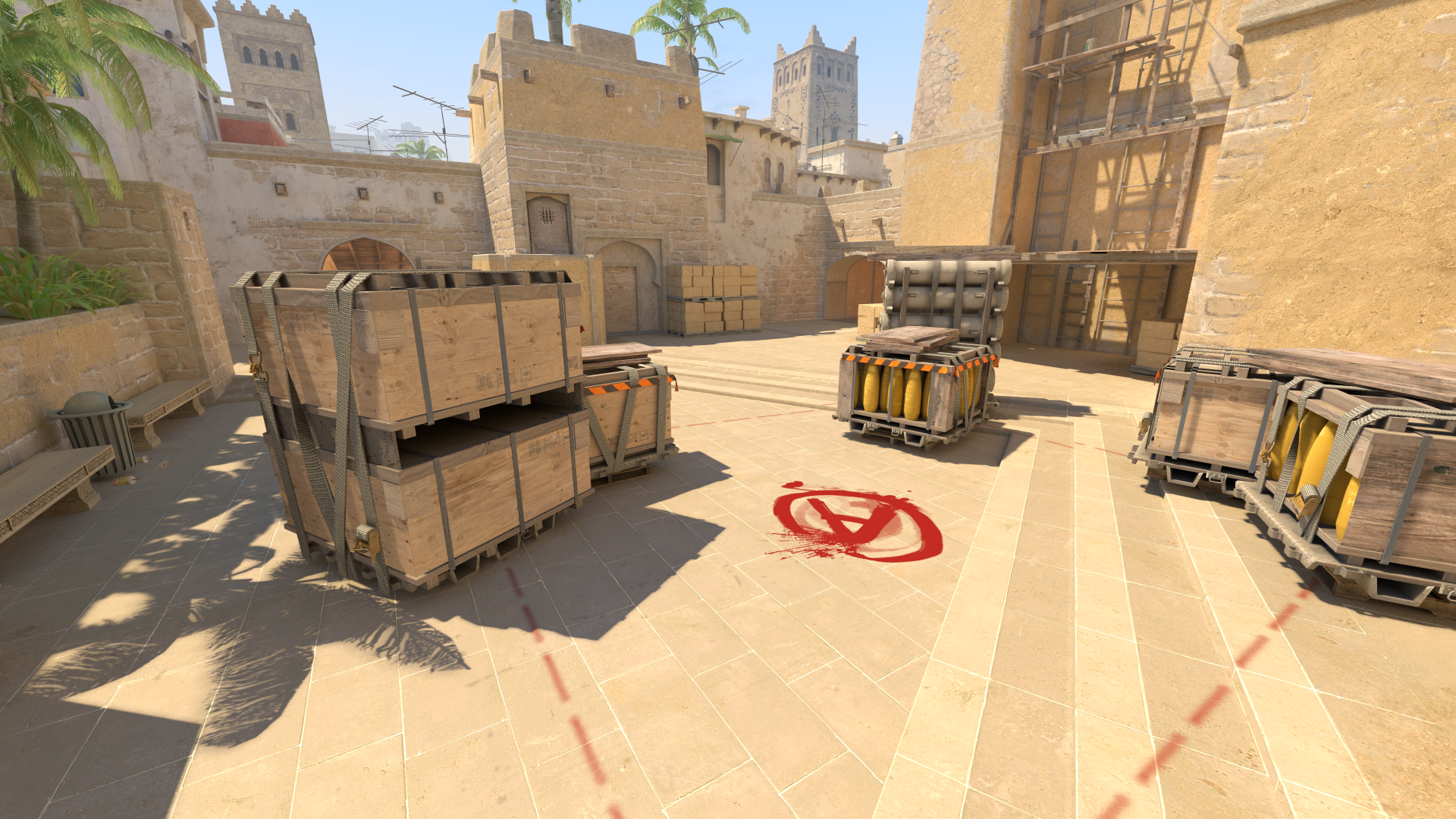
Mirage on ollut yksi Active Duty -poolin vanhimmista kartoista, ja se ansaitsee pysyvyyden rehellisesti. Asettelu on tarpeeksi kompakti, jotta upouusi pelaaja voi oppia jokaisen huomiotekstin illalla, mutta silti riittävän syvä, jotta ammattilaistiimit löytävät edelleen uusia suorituksia Mid- ja A-peleissä. Sen suurin vahvuus on tasapaino: kumpikaan osapuoli ei tunne suotuisan tapaa, jolla jotkut kartat heiluvat, joten kierrokset laskevat todellisiin lukemiin ja ajoitukseen kartan määräämän edun sijaan.
Ainoa todellinen oppimiskäyrä on Mid – kuka voittaa tuon taistelun, yleensä sanelee kierroksen seuraavat 30 sekuntia, joten uusia pelaajia rangaistaan täällä kovaa ennen kuin he ymmärtävät miksi. Ikkunan kaksintaistelut, Junglen savukokoonpanot ja jatkuva köydenveto Keskihallinnasta vaativat todellisia toistoja sisäistettäväksi. Mutta kun se napsahtaa, Mirage palkitsee älykkäät kierrokset ja puhtaan tähtäyksen suunnilleen yhtä suuressa määrin, minkä vuoksi se on pysynyt altaan perustuotteena niin kauan. Jos opit vain yhden kartan apuohjelman, tee siitä tämä – Mirage-savuoppaamme on hyvä paikka aloittaa.
A-taso: Inferno, Ancient, Dust II
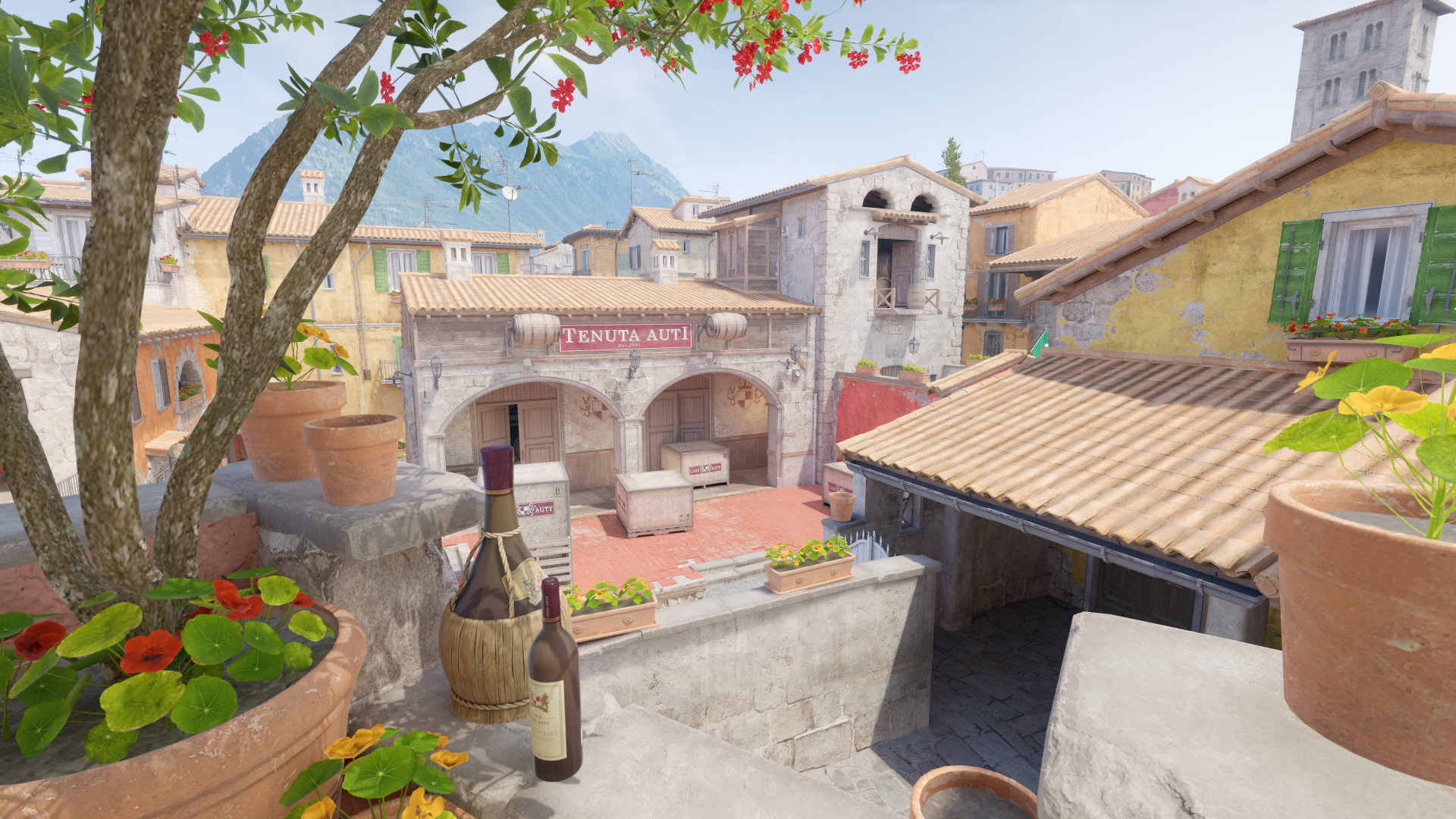
Inferno on yksi Counter-Strike-historian rakastetuimmista kartoista, ja se ansaitsee maineen kapeilla kujilla ja ahtailla pommipisteillä, jotka palkitsevat aggressiivisista, luovista leikkeistä yhtä paljon kuin kärsivällisestä puolustamisesta. Banaani on kartan määrittävä ominaisuus – pitkä, näkyvissä oleva käytävä A:ksi, joka muuttuu eräiksi pelin jännittävimmistä välikohtauksista – ja sen ympärillä pelaamisen oppiminen, ei pelkästään sen läpi, erottaa uuden Inferno-pelaajan hyvästä. Kompromissi on, että sen lähitaistelu voi tuntua rankaiselta, jos tavoitteesi ei ole terävä, koska kaksintaistelut ratkeavat nopeasti ja harvoin on tilaa irrottautua.
Ancientin suosio on pykälän alapuolella satunnaisten pelaajien keskuudessa, lähinnä siksi, että sen huomiotekstit ja kierrokset tuntuvat ensisilmäyksellä vähemmän intuitiivisilta – ei ole olemassa yhtä ikonista käytävää, kuten Banana, joka ankkuroi mielenterveyden karttaasi. Mid on täällä tärkein yksittäinen kiinteistöosa, ja häviäminen varhaisessa vaiheessa johtaa lumipalloon useammin kuin muilla kartoilla, mikä voi tuntua anteeksiantamattomalta, kun vielä opettelet sitä. Mutta tämä sama tiukka taktinen riippuvuus yhdestä alueesta on juuri se syy, miksi Ancientista on tullut aito kilpailuhenkinen - se rankaisee huolimattomista puolivälin päätöksistä ja palkitsee tiimejä, jotka todella kommunikoivat; Muinaiset huomiotekstioppaamme kannattaa tutustua ennen jonoon joutumista.
Dust II puolestaan on syystäkin Counter-Striken sydän. Long A, Catwalk ja Tunnelit ovat riittävän yksinkertaisia, jotta täysin aloittelija ymmärtää niiden ensimmäisten otteluiden aikana, ja näkölinjat ovat pitkiä ja puhtaita, joten se on anteeksiantavaa pelaajille, jotka edelleen työskentelevät tavoitteensa eteen - Dust II -kutsutekstioppaamme saa viimeiset tuntemattomat nimet napsauttamaan nopeasti. Sen yksi todellinen heikkous on, että asettelu on suhteellisen lineaarinen ja tarjoaa vähemmän luovia näkökulmia kuin Inferno tai Mirage – korkealla tasolla suoritukset voivat muuttua ennustettaviksi – mutta saavutettavuuden ja puhtaan asepelin vuoksi mikään ei voita sitä.
B-taso: Nuke, Anubis
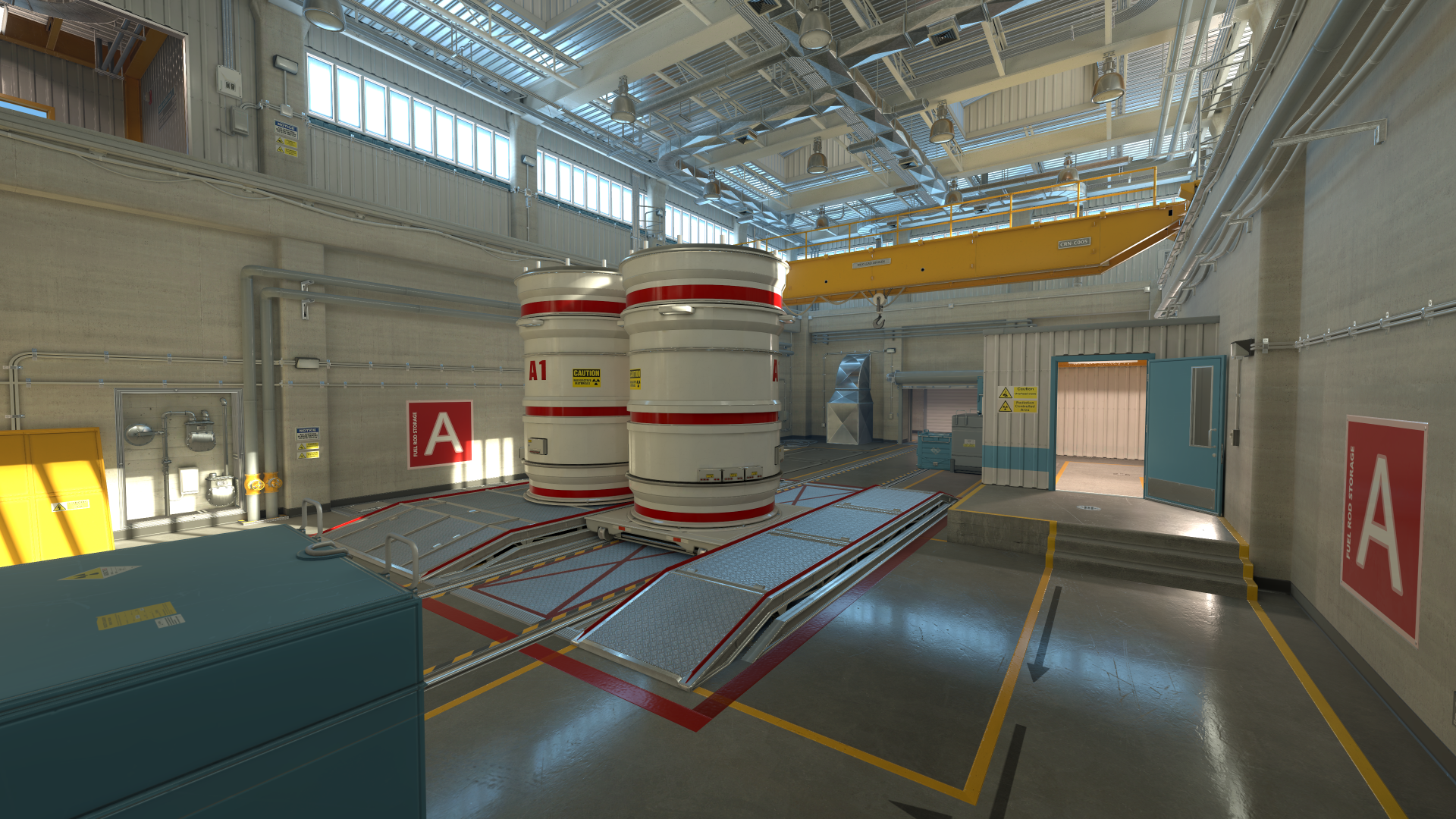
Nuke on yksi altaan teknisemmistä kartoista, ja sen pinottu pystysuoritus on sekä sen paras että huonoin ominaisuus riippuen siitä, keneltä kysyt. Hyökkääjien on tarkastettava kaksi kerrosta kerralla kulmassa vain työntääkseen pommipaikkaa, mikä aiheuttaa jatkuvaa päänsärkyä ja hidastaa teloitukset ryömimiseen, jos joukkue ei ole porannut tiettyjä kokoonpanoja. Jotkut tiedot viittaavat siihen, että puolustajilla on pieni rakenteellinen reuna tässä, koska se on helppo kiertää tasojen välillä lyhyellä varoitusajalla. Se on kartta, joka palkitsee opiskelun vaiston yli – jokaisella pitolla on laskuri, jokaisella laskurilla on vastakohta sille – juuri siksi se jakaa mielipiteet palapeliä rakastavien pelaajien ja sellaisten pelaajien välillä, jotka eivät halua ajatella niin lujasti ennen jokaista työntöä; Nuken huomiotekstioppaamme on hyvä lähtökohta, jos kuulut ensimmäiseen.
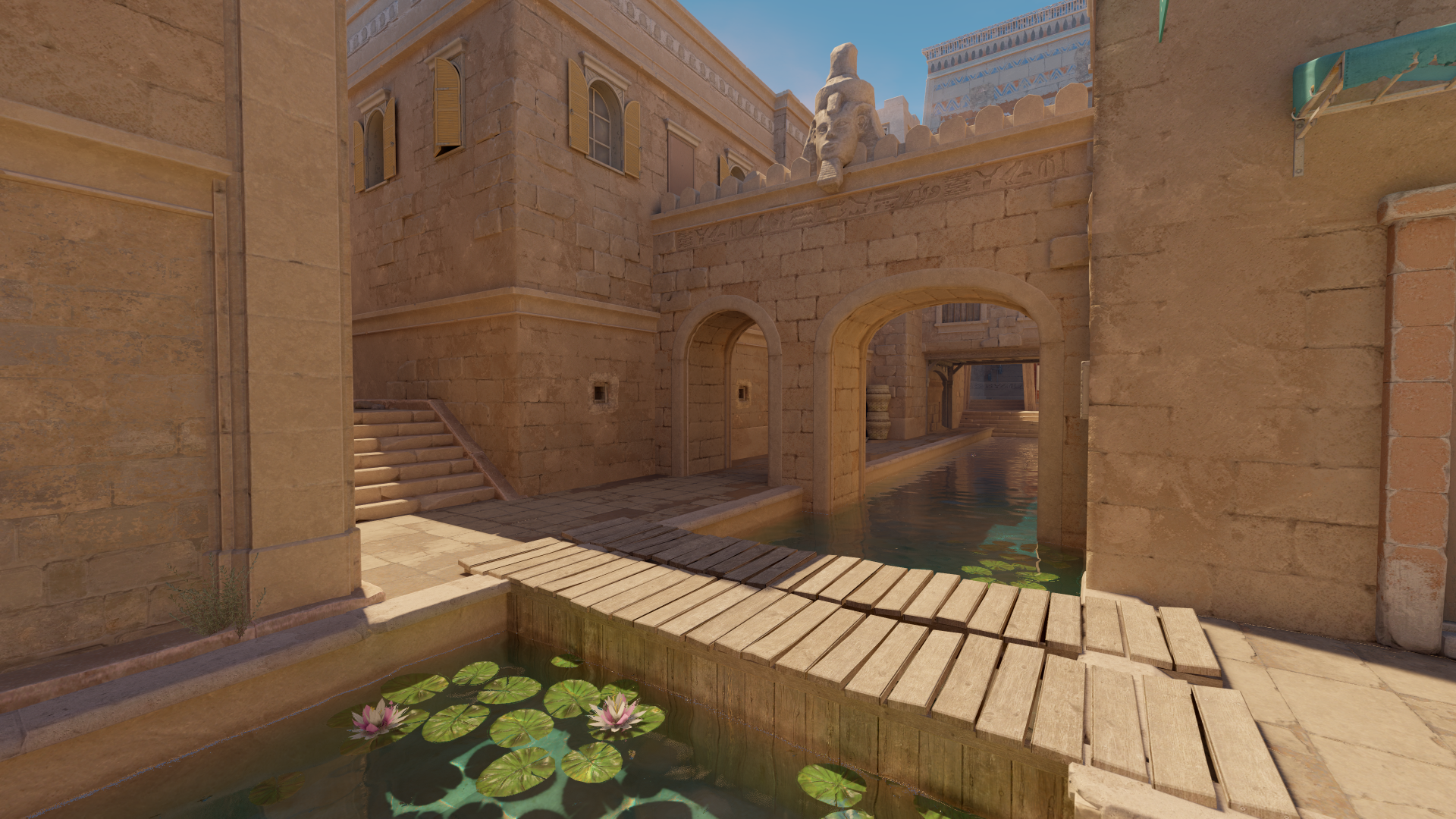
Anubis on yksi uudemmista kartoista, joka on vakiinnuttanut asemansa Counter-Striken nykyaikaisessa kilpailevassa kierrossa. Muinaisen egyptiläisen ympäristön, avoimien sisäp-skinien ja useiden kiertoreittien – mukaan lukien erottuvan vesiristeyksen – ansiosta työnnät pysyvät rehellisinä. Poistuttuaan Active Dutysta vuonna 2025, se palasi tammikuussa 2026 Trainin tilalle, mikä oli pikemminkin paluu kuin debyytti, ja ylimääräinen kehitysaika näkyy tasaisempina näkymin kuin sen aikaisempi versio oli. Sen suurin haittapuoli on edelleen saavutettavuus: asettelu vaatii enemmän uusilta pelaajilta kuin Mirage tai Dust II, sillä pidemmät kiertopolut tekevät kartan rakentamisesta vaikeampaa varhaisessa vaiheessa, ja työnnät voivat tuntua kyljiltä raskailta ja hämmentävältä, kunnes olet kirjannut siihen todellisia tunteja – Anubiksen huomiotekstioppaamme auttaa tasoittamaan tätä käyrää.
C-Tier: Välimuisti
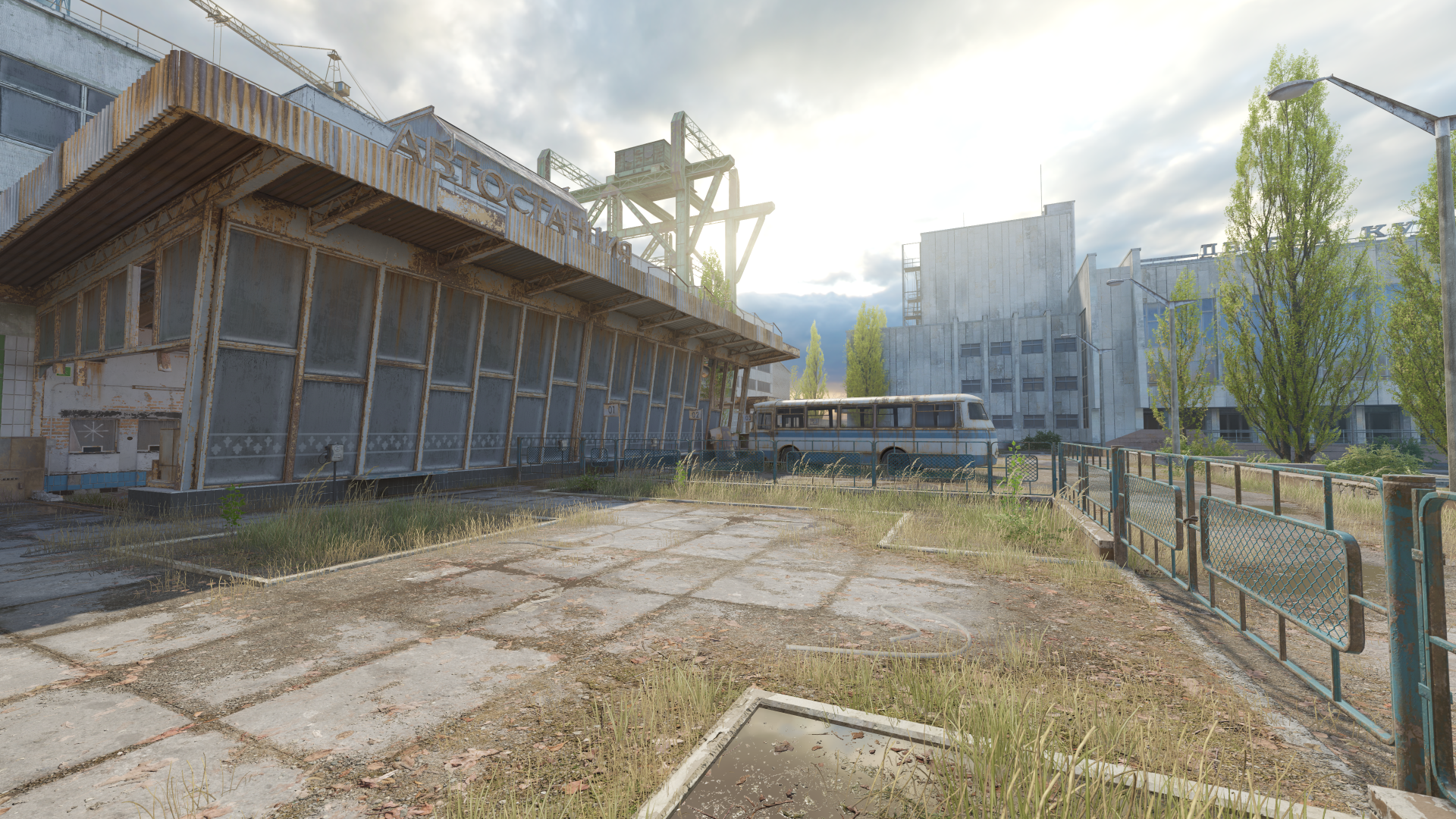
Cache on uusin paluu Active Duty -altaaseen, joka korvaa Overpassin, kun Premier kausi viides alkoi heinäkuussa 2026. Source 2-versio säilyttää teollisen, post-neuvostoliiton identiteetin ja tutun rakenteen, jota Counter-Strike-pelaajat yhdistävät pitkään – avoimet pääreitit ja pommipaikkoja yhdistävä pahamaineinen Vent ovat molemmat ehjinä, kotoisina ja kotoisina. Sen suurin vahvuus on juuri se nostalgia ja sen uusintakäyttöön sopiva pommipaikkasuunnittelu, joka palkitsee terävän koordinaation pitkien, pitkittyneiden välikohtausten aikana – Cache-karttaoppaamme kattaa nykyiset huomiotekstit ja kierrokset kokonaisuudessaan.
Se laskeutuu toistaiseksi C-tasolle yksinkertaisesti siksi, että sillä on ollut paljon vähemmän aikaa nykyisessä kilpailukierrossa kuin muulla poolilla – kollektiivinen hyödyllisyystietämys, savukokoonpanot ja oletusasetukset, jotka saavat muut kartat tuntumaan "ratkaistuilta" korkealla tasolla, rakennetaan edelleen tyhjästä Cachen pitkän poissaolon jälkeen. Mainin avoimet näkymät tarkoittavat myös karttaa, joka voi tuntua rankaiselta vähemmän kokeneemmille pelaajille, jotka kohtaavat hyvää AWPer:tä, ja jossa on vähemmän paikkoja piilottaa kierto kuin Miragessa tai Infernossa. Kun joukkueet ja Premier pelaajat kehittävät uusia apuohjelmia, rotaatioita ja asetelmia, sen asema tulevaisuuden tasoluettelossa voi hyvinkin muuttua.

FAQ
Kuinka usein Valve vaihtaa CS2 Active Duty -karttapoolia?
Kiinteää aikataulua ei ole – Valve vaihtaa ajoittain karttoja sisään ja ulos sitä mukaa kuin kilpaileva pooli kehittyy. Viimeisin muutos toi Cachen takaisin Overpassin tilalle viidennelle tuotantokaudelle heinäkuussa 2026, kun Anubis palasi Trainin tilalle tammikuussa.
Onko Vertigo edelleen kilpailukarttojen joukossa?
Vertigo ei ole osa nykyistä seitsemän kartan Active Duty -poolia, jota käytetään Premier. Kilpailu, Casual, Deathmatch ja Wingman kaikki pyörittävät erilliset karttakierrokset, joten kartta voi silti olla hyvin elossa pelissä myös sen jälkeen, kun se pyörii Active Dutysta.
Mikä CS2 kartta on paras täysin aloittelijalle?
Dust II on klassinen valinta – se on suhteellisen helppo uudelle pelaajalle ymmärtää, sillä Long A:n, Catwalkin, Midin ja Tunnelien välillä on suoraviivaisia reittejä, ja sen huomiotekstit ovat käytännössä yleispätevää tietoa koko yhteisössä.
Miksi Cache palasi täysin uuden kartan sijaan?
Valve pyrkii kääntämään todistetut, hyvin pidetyt kartat takaisin Active Dutyyn sen sijaan, että debytoisi aina jotain testaamatonta – Cachella on pitkä kilpailuhistoria CS:GO aikakaudelta ja uskollinen seuraaja, mikä teki siitä pienemmän riskin vaihdon Overpassiin kuin tuntematon asettelu olisi ollut.
Mikä kartta palkitsee ryhmätyön eniten?
Nuke ja Cache tukeutuvat molemmat vahvasti koordinaatioon – Nuke, koska sen pystysuoraisuus rankaisee ketään, joka työnnä ilman suunnitelmaa molemmissa kerroksissa, ja Cache, koska sen raskaat pommipaikat on paljon helpompi voittaa porattuna yksikkönä kuin viidellä yksilöllä.
Onko Overpass edelleen Active Duty -altaassa?
Ei. Valve poisti Overpassin Active Duty -altaalta viidennen kauden alkaessa heinäkuussa 2026 ja korvasi sen Cachella.

Kirjoita kommentti