
สกินครั้งแรกถูกเพิ่มใน CS:GO? เมื่อใด
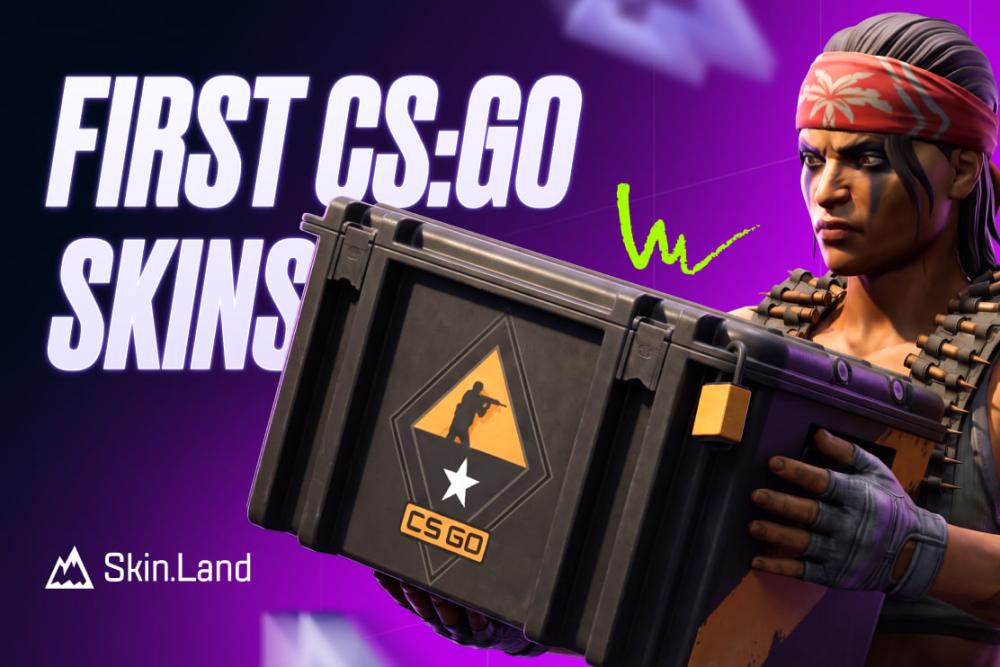
สกินชุดแรกถูกเพิ่มอย่างเป็นทางการใน Counter-Strike: Global Offensive เมื่อวันที่ 14 สิงหาคม 2013 พร้อมด้วยการเปิดตัวการอัปเดต "Arms Deal" อันเก่าแก่ เปิดตัวในช่วงเวลาที่เกมกำลังดิ้นรนเพื่อยึดฐานผู้เล่นจำนวนมหาศาลจากรุ่นก่อน การอัปเดตนี้เป็นฝีมือของ Valve ที่จะเพิ่มการมีส่วนร่วมของผู้เล่นและช่วยสนับสนุนเงินทุนสำหรับการแข่งขัน eSports
การอัปเดต Arms Deal นำเสนอกล่องของขวัญสองกล่องแรกของเกม ได้แก่ CS:GO Weapon Case และ eSports 2013 Case ควบคู่ไปกับการสุ่มดรอปหลังแมตช์จากคอลเลกชันแผนที่ดั้งเดิม เช่น Dust, Aztec และ Assault
นอกเหนือจากการทาสีอาวุธแล้ว แพทช์สำคัญนี้ยังแนะนำระบบติดตามการสังหาร StatTrak™ และมีดห้ารุ่นดั้งเดิม ซึ่งเปลี่ยน CS:GO จากเกมยิงปืนทางยุทธวิธีมาตรฐานไปสู่เศรษฐกิจดิจิทัลที่เฟื่องฟูในทันที
สกินแรกๆ ใน CS:GO คืออะไร?
สกินแรกสุดที่นำมาใช้กับ CS:GO นั้นเป็นการผสมผสานระหว่างลายพรางที่ได้แรงบันดาลใจจากทหาร โลหะ finishes และ pattern ที่ค่อนข้างเรียบง่ายซึ่งกระจายอยู่ในเคสแรกๆ และคอลเลกชันแผนที่ของการอัพเดต Arms Deal
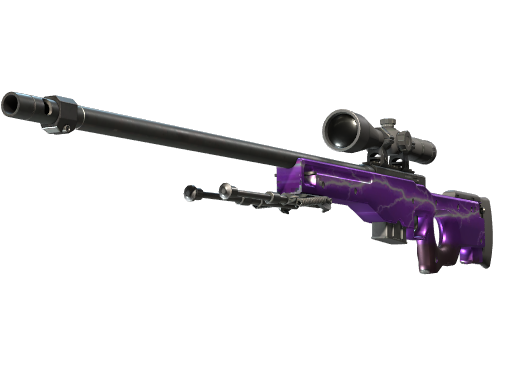
ผู้เล่นที่เปิด CS:GO Weapon Case อันเก่าแก่กำลังตามล่าปืนไรเฟิลซุ่มยิง Covert ตัวแรกของเกม ซึ่งเป็นปืนไรเฟิลจู่โจมAWP | Lightning StrikeหรือAK-47 | Case Hardenedซึ่งต่อมาได้กลายเป็นตำนานสำหรับรุ่น "Blue Gem" pattern ที่มีมูลค่าล้านดอลลาร์ ในขณะเดียวกัน eSports 2013 Case ก็นำเสนอเกมที่แฟนๆ ชื่นชอบอย่างมีสไตล์P90 | Death โดย คิตตี้.
นอกเหนือจากกรณีที่ชำระเงินแล้ว ผู้เล่นยังสามารถได้รับไอเทมดรอปหลังแมตช์ฟรีจากคอลเลกชันแผนที่ดั้งเดิม (เช่น Office, Nuke และ Assault) ซึ่งทำให้เกิดสกินในช่วงแรก ๆ ที่มีคุณค่าอย่างเหลือเชื่อเช่นGlock-18 | FadeและM4A4 | Radiation Hazard.
เมื่อเปรียบเทียบกับผลงานชิ้นเอกที่มีรายละเอียดมากเกินไปซึ่งพบใน Counter-Strike 2 ในปัจจุบัน finishes ดั้งเดิมในปี 2013 เหล่านี้ค่อนข้างจะดูเป็นพื้นฐาน—แต่ก็ยังรักษาศักดิ์ศรีและราคาทางดาราศาสตร์ที่ไม่มีใครเทียบได้เนื่องจากบทบาทพื้นฐานในประวัติศาสตร์การเล่นเกม
CS:GO สกินตัวแรกคืออะไร?
ในทางเทคนิคแล้ว ไม่มีสกิน "first" CS:GO เลย เนื่องจาก Valve ปล่อยอาวุธกว่าร้อยชนิด finishes พร้อมกันในวันที่ 14 สิงหาคม 2013 พร้อมด้วยการอัปเดต Arms Deal แทนที่จะหยดเครื่องสำอางทีละชิ้น นักพัฒนาได้ปลดปล่อยระบบนิเวศทั้งหมดพร้อมกัน โดยแบ่งสกินพื้นฐานเหล่านี้ออกเป็นกล่องของขวัญสองกล่อง CS:GO Weapon Case และ eSports 2013 Case และคอลเลกชั่นดรอปตามแผนที่แปดรายการที่แตกต่างกัน เช่น Dust, Aztec และ Assault
อย่างไรก็ตาม หากคุณจะชี้ไปที่อัญมณีล้ำค่าของชุดแรกนี้ AWP | Lightning Strike ถือเป็นชื่อในประวัติศาสตร์ของการเป็นสกินอาวุธระดับ Covert (สีแดง) ตัวแรกของเกมที่มีให้จากเคส การแบ่งปันสปอตไลต์เป็นการถ่ายทอดความคลาสสิกในทันที เช่น AK-47 | Case Hardened และ Glock-18 | Fade ซึ่งส่งตรงถึงผู้เล่นเมื่อสิ้นสุดการแข่งขัน ดังนั้น แม้ว่าจะไม่มีการสร้างปืนแบบพิกเซลเดี่ยวๆ ก่อนส่วนที่เหลือ แต่คลาสเฉพาะของปี 2013 finishes ร่วมกันแบ่งปันมงกุฎในฐานะต้นฉบับที่แท้จริงของระบบเศรษฐกิจ Counter-Strike
CS:GO เคสแรกคืออะไร?
เกียรติของการเป็นกล่องของขวัญชิ้นแรกในประวัติศาสตร์ Counter-Strike นั้นในทางเทคนิคแล้วเป็นชื่อที่ใช้ร่วมกัน แต่ชื่อที่เหมาะสม CS:GO Weapon Case เป็นที่จดจำในระดับสากลว่าเป็นคอนเทนเนอร์เรือธงของการอัปเดต Arms Deal ในเดือนสิงหาคม 2013 การเปิดกล่องสีดำเหลืองอันเป็นเอกลักษณ์นี้ทำให้ผู้เล่นได้ลิ้มรสอะดรีนาลีนที่ออกมาจากกล่องเป็นครั้งแรก โดยเปิดโอกาสให้ดึงสกินพื้นฐานอย่าง Covert AWP | Lightning Strike หรือ AK-47 | Case Hardened.
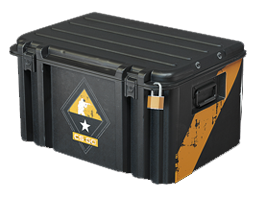
นอกเหนือจากการตีอย่างแรงแล้ว คดีนี้ยังแนะนำแก่นหลักของชุมชนในยุคแรกๆ เช่นDesert Eagle | HypnoticและGlock-18 | Dragon Tattoo. สิ่งสำคัญที่สุดคือ CS:GO Weapon Case เป็นคอนเทนเนอร์แรกสุดที่นำเสนอ "Exceedingly Rare Special Item"—ไอคอนสีทองที่มอบรางวัลให้กับผู้เล่นที่โชคดีเป็นพิเศษจำนวนหนึ่งด้วยหนึ่งในห้าโมเดลมีดดั้งเดิม ซึ่งก่อให้เกิดวัฒนธรรมการแกะกล่องที่มีเดิมพันสูงซึ่งยังคงเติบโตอย่างต่อเนื่องใน 2026.
มีดตัวแรกใน CS:GO คืออะไร?
เช่นเดียวกับสกินอาวุธชุดแรก ไม่มีมีดเพียงเล่มเดียวที่โผล่ออกมาก่อนส่วนที่เหลือ ในทางกลับกัน Valve ได้เปิดตัวเบลดรุ่นที่แตกต่างกันห้ารุ่นพร้อมกันในวันที่ 14 สิงหาคม 2013 โดยซ่อนไว้ด้านหลังทองคำเรืองแสง "Exceedingly Rare Special Item" slot ใน CS:GO Weapon Case และ eSports 2013 Case
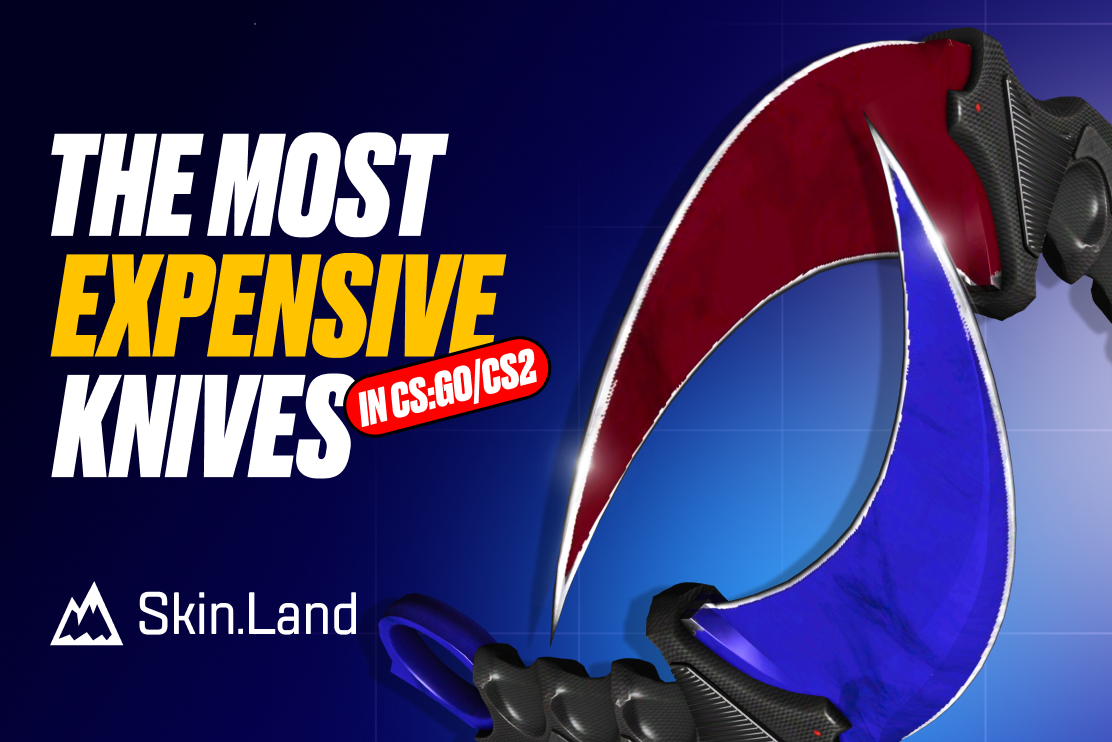
ผู้เล่นตัวจริงครั้งแรกนี้มีมาตรฐานBayonet, M9 ที่แข็งแกร่ง Bayonet ที่แข็งแกร่งGut Knife,มีความคล่องตัวFlip Knifeและเป็นที่ปรารถนาอันเป็นสากลKarambit. ใบมีดทั้ง 5 แบบนี้สามารถแกะกล่องออกมาในรูปแบบ "Vanilla" ที่ไม่ทาสี หรือเคลือบด้วย finishes ต้นฉบับคลาสสิกอย่างใดอย่างหนึ่ง เช่น Fade, Slaughter, Crimson Web หรือ Case Hardened.
ทุกวันนี้ มีด "OG" เหล่านี้ โดยเฉพาะ Karambit และ M9 Bayonet ยังคงเป็นสัญลักษณ์สถานะที่โดดเด่นและเป็นที่ต้องการมากที่สุดใน Counter-Strike 2 Economy โดยวางรากฐานสำหรับประเภทดาบแปลกใหม่หลายสิบประเภทที่จะตามมาในปีต่อๆ ไป
ถุงมือตัวแรกถูกเพิ่มใน CS:GO? เมื่อใด
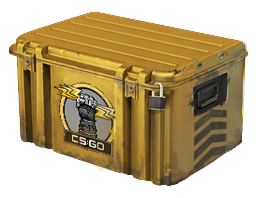
เป็นเวลากว่าสามปีหลังจากการอัพเดต Arms Deal อันเก่าแก่ ผู้เล่นสามารถอวดอาวุธหลากสีสันและมีดหายากสุด ๆ ได้ แต่มือของพวกเขายังคงสวมถุงมือฝ่ายมาตรฐาน ซึ่งทั้งหมดได้เปลี่ยนแปลงไปเมื่อวันที่ 28 พฤศจิกายน 2016 โดยมีการเปิดตัวของกล่องใส่ถุงมือ. ด้วยความพลิกผันครั้งใหญ่จากสูตรแกะกล่องแบบดั้งเดิม ลังใหม่นี้ได้เปลี่ยนมีดใน "Exceedingly Rare Special Item" ช่องสำหรับใส่ถุงมือเครื่องสำอางที่แตกต่างกัน 24 ชิ้น
ชุดแรกนี้เปิดตัวโมเดลพื้นฐานเช่นถุงมือกีฬา, ถุงมือผู้เชี่ยวชาญ, ผ้าพันมือ, ถุงมือโมโต, ถุงมือบลัดฮาวด์, และถุงมือคนขับนำเสนอ finishes ในตำนานช่วงต้น เช่น Sport Gloves | Pandora's Box และ Specialist Gloves | Crimson Kimono เนื่องจากถุงมือจะมองเห็นได้บนหน้าจอตลอดเวลาระหว่างการเล่นเกม—ไม่ว่าอาวุธหรือมีดชนิดใดจะติดตั้งอยู่ในปัจจุบัน—ถุงมือเหล่านั้นก็กลายเป็นสัญลักษณ์เกียรติยศสูงสุดในทันที เพิ่มเลเยอร์ใหม่ทั้งหมดและสร้างรายได้อย่างเหลือเชื่อให้กับระบบนิเวศของ Counter-Strike trading
CS:GO สกินเก่าๆ มีมูลค่าเท่าไหร่ในปัจจุบัน?
ทุกวันนี้ สกินพื้นฐานจากปี 2013 มีป้ายราคามหาศาลในตลาด Counter-Strike 2 ซึ่งได้รับแรงหนุนจากของหายากสุดขีด ชื่อเสียงทางประวัติศาสตร์ และนักสะสมจำนวนมหาศาล Factory New AWP | Lightning Strike พื้นฐานซึ่งครั้งหนึ่งเคยมีราคาไม่แพงในช่วงแรกๆ ตอนนี้อยู่ที่ trades อย่างต่อเนื่องระหว่าง $500 ถึง $1,000 ขึ้นอยู่กับ float value.
ในทำนองเดียวกัน เกมดรอปแผนที่สุดคลาสสิกในยุคแรกๆ เช่น Glock-18 | Fade สามารถหาเงินได้มากกว่า 1,000 ดอลลาร์เป็นประจำ เนื่องจากอุปทานของพวกมันถูกแช่แข็งมานานหลายปีแล้ว อย่างไรก็ตาม จุดสุดยอดที่แท้จริงของตลาด "OG" เป็นของ Case Hardened finishes โดยเฉพาะตลาดที่จัดแสดง "Blue Gem" patterns.
ตัวอย่างเช่น Factory New StatTrak AK-47 | Case Hardened (Pattern 661) บรรลุยอดขายที่ได้รับการยืนยันแล้วมากกว่า 1 ล้านเหรียญสหรัฐ ในขณะที่ Karambit | Case Hardened (Pattern #387) ในตำนานมีราคาประเมินที่เกินกว่า 1.5 ล้านเหรียญสหรัฐในปี 2569 การซื้อกุญแจด้วยเงิน 2.49 เหรียญสหรัฐเพื่อเปิดกล่องอาวุธธรรมดาได้พัฒนาไปสู่ตลาดสินค้าฟุ่มเฟือยดิจิทัลมูลค่าหลายล้านเหรียญสหรัฐ ซึ่งพิสูจน์ได้ว่าพิกเซลดั้งเดิมของปี 2013 เหล่านี้เป็นสินทรัพย์บลูชิปขั้นสุดยอดของโลกเกม


เขียนความคิดเห็น