
โมเดลตัวละครใน Rust คืออะไร?
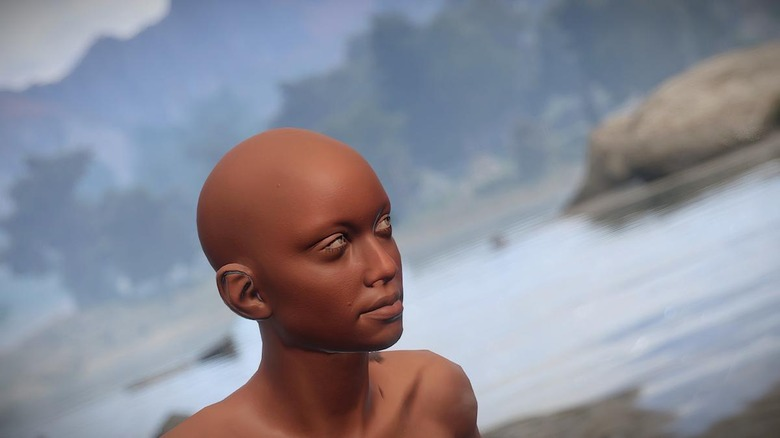
ใน Rust โมเดลตัวละครคือการนำเสนอตัวละครด้วยภาพที่สมบูรณ์ รวมถึงเพศ สีผิว ลักษณะใบหน้า ทรงผม และประเภทร่างกาย สิ่งที่แตกต่างจากเกมเอาชีวิตรอดอื่นๆ ส่วนใหญ่คือการไม่มีหน้าจอการสร้างตัวละครและตัวเลือกการปรับแต่ง: คุณลักษณะทั้งหมดของตัวละครของคุณจะถูกสร้างแบบสุ่ม โมเดลตัวละครไม่ส่งผลต่อสถิติของผู้เล่น: สุขภาพ ความเร็วในการเคลื่อนที่ และความเสียหายที่ส่งออกจะเหมือนกันทุกประการสำหรับผู้เล่นทุกคนโดยไม่คำนึงถึงรูปลักษณ์ของพวกเขา สิ่งเดียวที่มีอิทธิพลต่อรูปลักษณ์ของตัวละครในระหว่างการเล่นเกมคือเสื้อผ้า ชุดเกราะ และสกินที่ใช้กับโมเดลตัวละครพื้นฐาน
โมเดลตัวละครของ Rust ทำงานอย่างไร
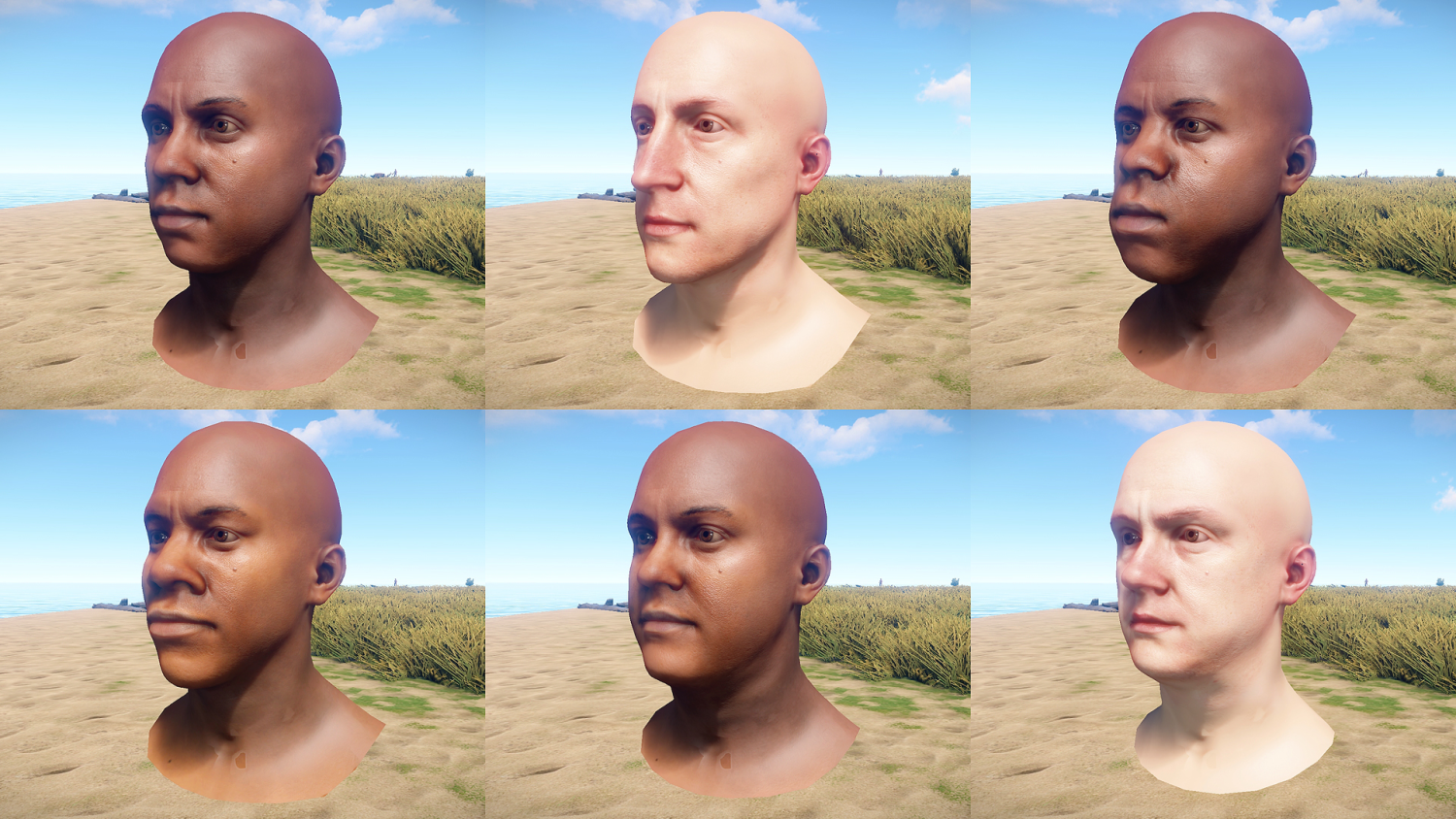
ลักษณะของตัวละครจะถูกกำหนดโดย Steam ID ของผู้ใช้เมื่อเข้าสู่เซิร์ฟเวอร์ครั้งแรก และ connected สำหรับบัญชีนี้อย่างถาวร ไม่สำคัญว่าคุณจะเลือกเซิร์ฟเวอร์ใด และแม้แต่การเอาชีวิตรอดก็จะไม่ช่วยให้คุณได้รับโมเดลตัวละครอื่น ก่อนหน้านี้มันเคยง่ายกว่ามาก: ก่อนเดือนเมษายน 2559 เกมมีโมเดลตัวละครชายเพียงตัวเดียว ตัวละครหญิงได้รับการแนะนำด้วย Devblog 105 ต่อมาในฤดูใบไม้ร่วงปี 2560 มีการเพิ่มโมเดลใหม่ของเชื้อชาติและการแสดงออกทางสีหน้าที่แตกต่างกัน
ล่าสุดเกิดการเปลี่ยนแปลงครั้งใหญ่ที่สุด เมื่อวันที่ 4 มิถุนายน พ.ศ. 2569 Facepunch ได้เปิดตัวการอัปเดต Built Different ที่สร้างโมเดลตัวละครขึ้นมาใหม่ทั้งหมดเป็นครั้งแรกในรอบเกือบทศวรรษ มีการเพิ่มรูปแบบศีรษะและทรงผมใหม่ วัสดุผิวใหม่ เช่น ขนตาและแสงตา ตลอดจนเฉดสีผมและเคราได้รับการแก้ไขใหม่ ยิ่งไปกว่านั้น Facepunch ตัดสินใจที่จะไม่เปลี่ยนเชื้อชาติและเพศของตัวละคร เนื่องจากมันจะนำไปสู่การเปลี่ยนแปลงด้านภาพที่รุนแรงเกินไปสำหรับผู้เล่นที่มีประสบการณ์ เป็นผลให้เสื้อผ้าและชุดเกราะทั้งหมดในเกมต้องได้รับการปรับเปลี่ยนให้พอดีกับโครงกระดูกใหม่ของโมเดลตัวละคร
พารามิเตอร์หลายตัวรวมกันเพื่อกำหนดลักษณะที่ปรากฏของผู้เล่น:
เพศของตัวละคร – ชายหรือหญิง กำหนดแบบสุ่มและถาวร
สีผิวและลักษณะใบหน้า – ก่อให้เกิดโปรไฟล์ทางเชื้อชาติของนางแบบ
ประเภทใบหน้า – หนึ่งในหลายรูปแบบ ขยายหลังจากการอัปเดตแบบ Built Different
ทรงผมและหนวดเครา – สุ่มอย่างเป็นอิสระจากพารามิเตอร์อื่นๆ
Facepunch ยังได้ประกาศแผนที่จะเพิ่มเครื่องมือปรับแต่งผู้เล่นลงในเกมก่อนสิ้นปี 2026 – ซึ่งเป็นเครื่องมือที่มีจุดมุ่งหมายเพื่อให้ผู้เล่นสามารถควบคุมรูปลักษณ์ภายนอกของตนได้ในระดับหนึ่ง สตูดิโอยังไม่ได้เปิดเผยรายละเอียดเกี่ยวกับวิธีการทำงาน ดังนั้นการสรุปใดๆ เกี่ยวกับช่างเครื่องอาจยังไม่ถึงเวลาอันควร
โมเดลตัวละครRustทั้งหมด
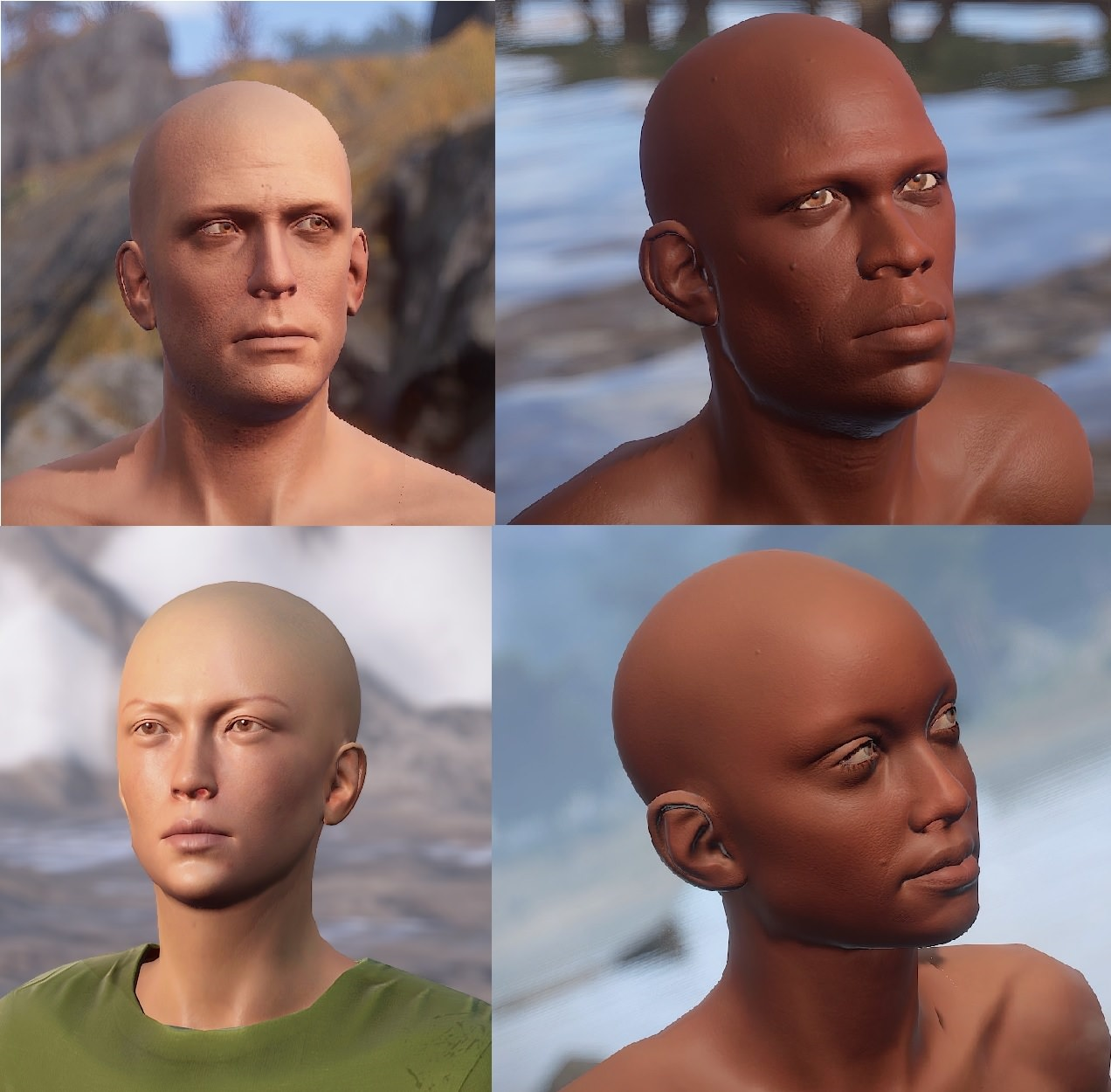
Rust ไม่มีแค็ตตาล็อกของโมเดลที่มีชื่อเหมือนกับที่นักยิงปืนที่มีระบบสกินตัวละครทำ – แทน มีชุดพารามิเตอร์ที่รวมกันแบบสุ่ม ดังที่กล่าวไปแล้ว การแบ่งโมเดลตัวละคร Rust ทั้งหมดออกเป็นหมวดหมู่หลักจะมีประโยชน์เพื่อทำความเข้าใจว่าอะไรจะเกิดขึ้นกับรูปลักษณ์ของตัวละครบนเซิร์ฟเวอร์
หมวดหมู่ | สายพันธุ์ | สิ่งที่กำหนด |
เพศ | ชาย,หญิง | มอบหมายครั้งเดียวไม่เปลี่ยนแปลงในบัญชี |
สีผิว | จากสว่างไปมืด รวมถึงประเภทของเอเชียตะวันออก | สร้างโปรไฟล์ทางเชื้อชาติของนางแบบ |
ประเภทใบหน้า | หลากหลายรูปแบบหลังจากสร้างความแตกต่าง | รูปร่างของกะโหลกศีรษะ ลักษณะใบหน้า ขนตา |
ทรงผม/เครา | หลายสไตล์แยกชุดชายและหญิง | ไม่เกี่ยวข้องโดยตรงกับเพศหรือเชื้อชาติ |
ประเภทของร่างกาย | แท่นขุดเจาะแบบครบวงจรที่มีความแตกต่างทางเพศเล็กน้อย | ไม่มีผลกับสถานะของตัวละคร |
ควรทำความเข้าใจว่าพารามิเตอร์ทั้งหมดเหล่านี้รวมกันอย่างเป็นอิสระจากกัน ซึ่งหมายความว่าไม่มีทางที่จะคาดเดาได้ว่าตัวละครจะมีลักษณะอย่างไรก่อนที่เซิร์ฟเวอร์แรกจะเข้าร่วม ความคาดเดาไม่ได้นั้นเป็นสิ่งที่ทำให้ระบบตัวละครของ Rust โดดเด่น ผู้เล่นสองคนที่มีสีผิวเหมือนกันสามารถลงเอยด้วยใบหน้าและทรงผมที่แตกต่างกันโดยสิ้นเชิง หลังจากอัปเดตในเดือนมิถุนายน 2026 ช่วงของรูปแบบที่เป็นไปได้ก็กว้างขึ้นอย่างเห็นได้ชัดกว่าเกมเวอร์ชันก่อนหน้าใดๆ
วิธีการเปลี่ยนโมเดลตัวละครใน Rust
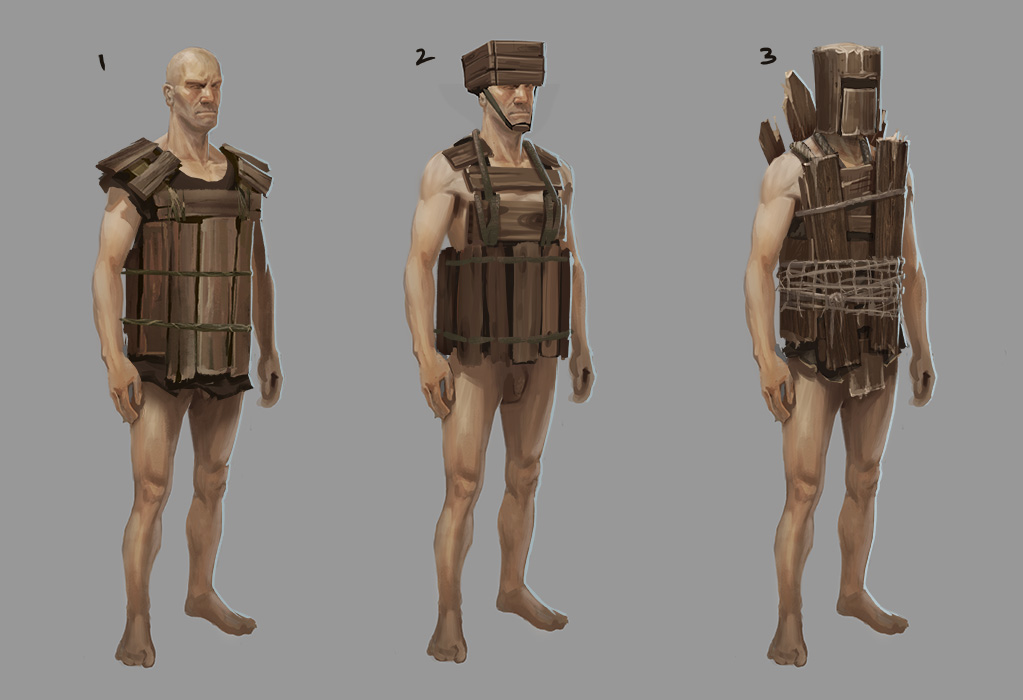
วิธี change โมเดลตัวละครของคุณใน Rust เป็นหนึ่งในคำถามที่พบบ่อยที่สุดในชุมชน และคำตอบก็ค่อนข้างชัดเจน: ไม่มีวิธีที่เป็นทางการในการเปลี่ยนรูปลักษณ์ของตัวละครของคุณในเกม โมเดลดังกล่าวเดินสายเข้ากับ Steam ID และ Facepunch จงใจบล็อกความพยายามใด ๆ ของม็อดหรือปลั๊กอินเพื่อแทรกแซงกระบวนการนั้นบนเซิร์ฟเวอร์อย่างเป็นทางการ
นี่คือสิ่งที่ควรรู้ในหัวข้อนี้:
การสลับเซิร์ฟเวอร์ การล้างแผนที่ หรือการรีเซ็ตความคืบหน้าไม่มีผลกับโมเดล – ลักษณะที่ปรากฏจะยังคงเหมือนเดิม
ตัวเลือกการเปิดตัวและรหัสเก่าสำหรับการเปลี่ยนเพศหรือเชื้อชาติที่ปรากฏในคำแนะนำรุ่นเก่านั้นล้าสมัยไปนานแล้วและใช้งานไม่ได้ในเกมเวอร์ชันปัจจุบัน
ปลั๊กอินที่เปลี่ยนโมเดลตัวละครจะมีอยู่บนเซิร์ฟเวอร์แบบกำหนดเองเท่านั้น ซึ่งผู้ดูแลระบบจะติดตั้งการแก้ไขเหล่านั้นด้วยตนเอง – บนเซิร์ฟเวอร์ Facepunch อย่างเป็นทางการ ซึ่งเป็นไปไม่ได้
ตัวเลือกเดียวที่ใช้งานได้ในการรับโมเดลสุ่มอื่นคือการสร้างบัญชี Steam ใหม่และซื้อเกมอีกครั้ง – แต่ถึงอย่างนั้น ลักษณะที่ปรากฏก็ถูกกำหนดแบบสุ่ม ไม่ใช่ถูกเลือก
หากรูปลักษณ์ภายนอกมีความสำคัญมาก การเคลื่อนไหวที่ชาญฉลาดกว่าคือการมุ่งเน้นไปที่สิ่งที่คุณสามารถควบคุมได้จริง เช่น เสื้อผ้า ชุดเกราะ และสกิน ซึ่งอยู่ด้านบนของโมเดลพื้นฐานและทั้งหมดอยู่ในมือของผู้เล่น
โมเดลตัวละครRustที่หายากที่สุด
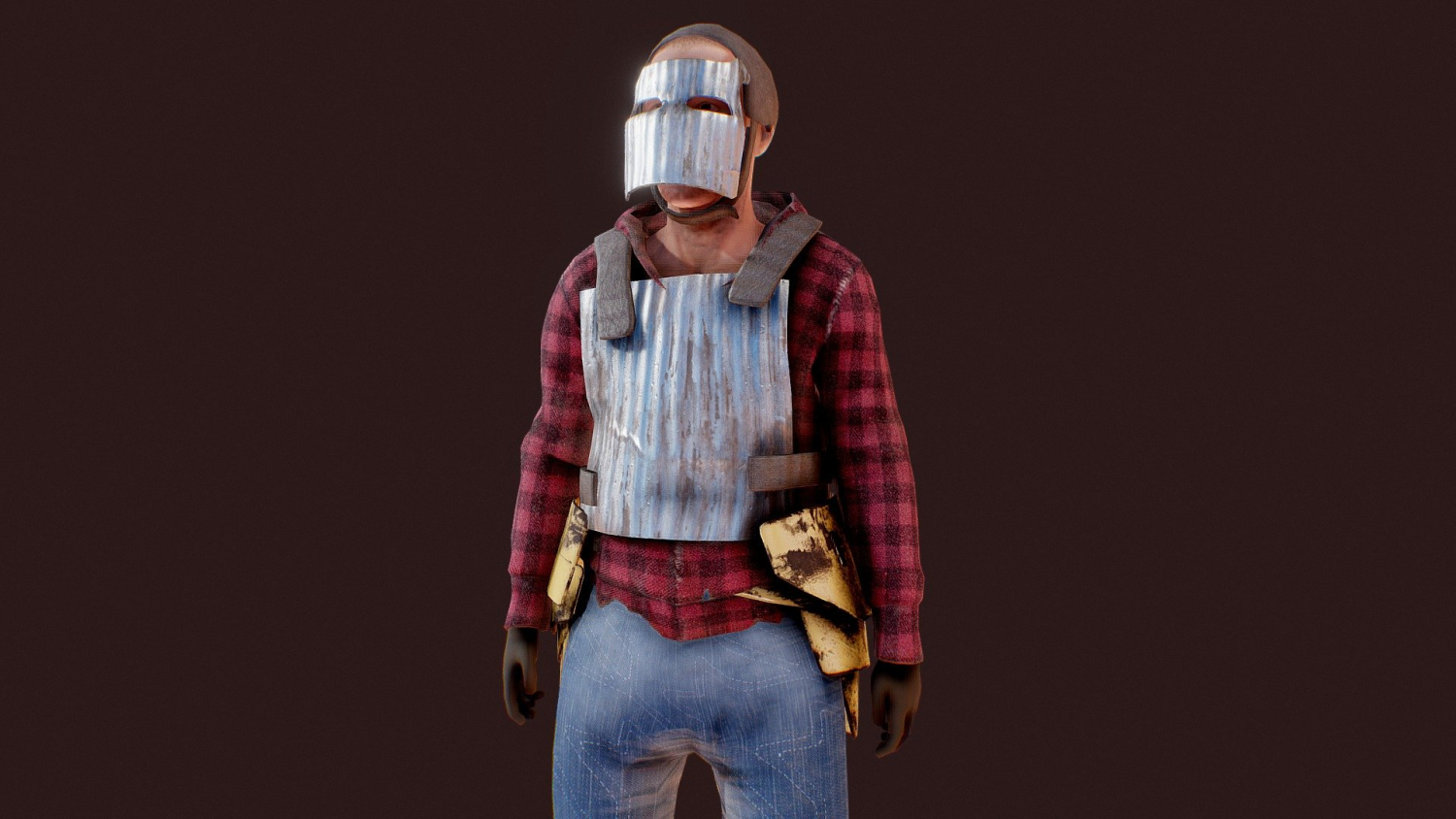
หัวข้อโมเดลตัวละคร Rust ที่หายากที่สุดเกิดขึ้นเป็นประจำในชุมชน แต่สิ่งสำคัญคือต้องสร้างความแตกต่างทันที ต่างจากสกินอาวุธหรือเสื้อผ้าซึ่งมีระบบความหายากที่กำหนดไว้ ไม่มีระดับความหายากอย่างเป็นทางการสำหรับโมเดลตัวละครใน Rust Facepunch ไม่เคยเผยแพร่ข้อมูลอัตราการดรอปสำหรับการผสมผสานระหว่างเพศ เชื้อชาติ หรือประเภทใบหน้า – มันเป็นการสุ่มล้วนๆ โดยไม่มีเปอร์เซ็นต์ที่ยืนยัน
ดังที่กล่าวไว้ บางครั้งผู้เล่นจะติดป้ายกำกับการผสมภาพบางอย่างอย่างไม่เป็นทางการว่า "หายาก" เมื่อในทางปฏิบัติพบเห็นได้ไม่บ่อยนักในทางปฏิบัติ – การจับคู่ทรงผมและสีผิวที่ผิดปกติ เป็นต้น การกล่าวอ้างเหล่านี้ควรค่าแก่การปฏิบัติด้วยความระมัดระวัง: หากไม่มีสถิติอย่างเป็นทางการจาก Facepunch การยืนยันใด ๆ เกี่ยวกับรูปลักษณ์ใดรูปลักษณ์หนึ่งที่เป็น "rare" ถือเป็นข้อสังเกตของผู้เล่น ไม่ใช่ข้อเท็จจริงที่ได้รับการยืนยัน จนกว่านักพัฒนาจะแชร์ข้อมูลการกระจายจริงเกี่ยวกับโมเดลตัวละคร สิ่งเดียวที่สามารถพูดได้อย่างมั่นใจคือพารามิเตอร์ลักษณะที่ปรากฏทั้งหมดได้รับการสุ่มและแยกจากกัน
โมเดลตัวละครและสกิน
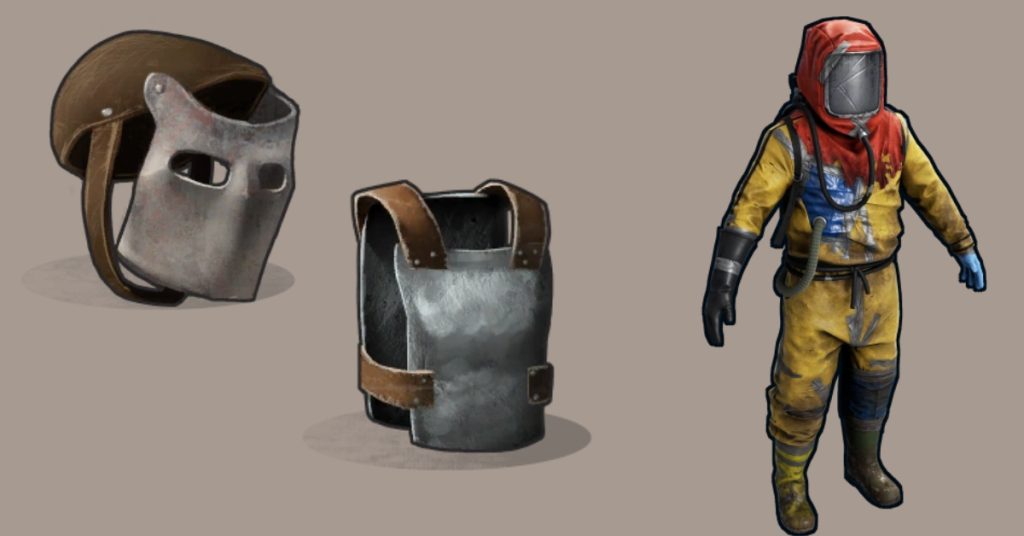
แม้ว่าจะไม่มีความสามารถในการเลือกรูปลักษณ์ แต่ตัวละครใน Rust ก็อาจดูแตกต่างไปจากเดิมอย่างสิ้นเชิงขึ้นอยู่กับสิ่งที่พวกเขาสวมใส่ สกินเสื้อผ้า ชุดเกราะ และอาวุธจะอยู่ด้านบนของโมเดลพื้นฐาน และเปลี่ยนวิธีการอ่านตัวละครบนเซิร์ฟเวอร์โดยสิ้นเชิง – จากเสื้อยืดธรรมดาและกางเกงยีนส์ไปจนถึงชุดเกราะยุทธวิธีเต็มรูปแบบ นี่คือจุดที่แนวคิดเกี่ยวกับโมเดลตัวละคร Rust ที่ดีที่สุดหยุดอยู่ที่รูปลักษณ์ที่ได้รับการสุ่มเลือก และเริ่มเกี่ยวกับวิธีการที่ผู้เล่นใช้งานมันผ่านชุดปรับแต่ง
เสื้อผ้าและสีผิวผสมกันจะดูดีขึ้นอย่างเห็นได้ชัดในโทนสีผิวหรือประเภทใบหน้าบางประเภท – เบากว่า armor มีแนวโน้มที่จะตัดกันคมชัดกว่าเมื่อเปรียบเทียบกับสีผิวที่เข้มกว่า เช่น ในขณะที่หมวกคลุมและหน้ากากทำหน้าที่ปกปิดใบหน้าที่ผู้เล่นอาจไม่ชอบได้เป็นอย่างดี หากคุณต้องการสร้างลุคที่ให้ความรู้สึกเหมือนเป็นของคุณเอง ก็ควรตรวจสอบเสื้อผ้าและสกินอาวุธในปัจจุบันในส่วนRustบน Skin.Land – ตัวเลือกจะได้รับการอัปเดตเป็นประจำในหลากหลายสไตล์ ตั้งแต่การทหารไปจนถึงความเรียบง่ายหลังหายนะ ท้ายที่สุดแล้ว เฟืองไม่ใช่โมเดลที่ได้รับการสุ่มกำหนด ซึ่งกำหนดข้อมูลประจำตัวที่จดจำได้ของอักขระบนเซิร์ฟเวอร์

เขียนความคิดเห็น