
ราคาผิว CS2 เคลื่อนไหวอย่างไร
ต่างจากหุ้นหรือสกุลเงิน ราคาของสกินไม่ได้ถูกขับเคลื่อนโดยรายได้หรืออัตราดอกเบี้ย แต่ถูกขับเคลื่อนเกือบทั้งหมดจากอุปสงค์และอุปทานภายในระบบควบคุม Valve ของระบบปิด ปัจจัยจำนวนหนึ่งมีความสำคัญมากที่สุด: ไม่ว่าคอลเลกชันแหล่งที่มาของสกินจะยังสามารถเข้าถึงได้หรือไม่ (คอลเลกชันที่ถูกยกเลิกหรือแหล่งที่มาของดรอปที่ไม่สามารถเข้าถึงได้สามารถจำกัดอุปทานใหม่ได้อย่างรวดเร็ว แม้ว่าจะไม่ได้ลดลงจนเหลือศูนย์เสมอไป) ความเข้มแข็งของชุมชนที่กำลังดำเนินอยู่และความต้องการที่ขับเคลื่อนด้วย eSports สำหรับอาวุธและการตกแต่งเฉพาะนั้น และ Valve จะทำการเปลี่ยนแปลงกฎที่ทำให้น้ำท่วมหรือระบายตลาดอย่างกะทันหันสำหรับไอเท็มประเภททั้งหมดหรือไม่ คู่มือ CS2 ความหายากของสกิน ของเราครอบคลุมถึงระดับความหายากที่ส่งผลต่อสิ่งนี้ และ คำแนะนำในการอ่านกราฟราคา CS2 ของเรามีประโยชน์ในการระบุการเปลี่ยนแปลงที่ขับเคลื่อนด้วยอุปทานเหล่านี้เมื่อเกิดขึ้น
เหตุผลที่ควรลงทุน
สกิน CS2 บางตัวสามารถคงไว้หรือเพิ่มมูลค่าของมันได้อย่างแท้จริงในระยะยาว แม้ว่าเหตุผลเบื้องหลังมันจะแตกต่างกันไป — บางครั้งมันเป็นอุปทานที่มีข้อจำกัดอย่างมาก บางครั้งก็เป็นความต้องการที่ยั่งยืนซึ่งมีมากกว่าอุปทานที่ยังคงเปิดอยู่ในทางเทคนิค
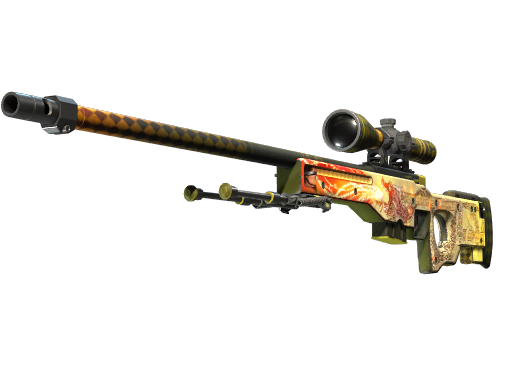
AWP | Dragon Lore เป็นหนึ่งในตัวอย่างที่ชัดเจนที่สุดของการจัดหาที่มีข้อจำกัดอย่างมาก — สกินปืนไรเฟิล Covert จาก Cobblestone Collection ซึ่งไม่มีให้ผ่านดรอปคอลเลกชันปกติอีกต่อไป เวอร์ชัน Souvenir ดั้งเดิมมาจากแพ็คเกจ Cobblestone Souvenir ที่กระจายไปทั่ว Majors ระหว่างปี 2014 ถึง 2018 แม้ว่า Dragon Lores ปกติยังคงสามารถสร้างได้ในทางเทคนิคผ่านสัญญา trade-up โดยใช้อินพุต Cobblestone Collection ที่มีสิทธิ์ แต่อุปทานพื้นฐานของอินพุตเหล่านั้นนั้นมีจำกัด ซึ่งทำให้สำเนาใหม่หายากแทนที่จะไม่มีอยู่จริง ในอดีตมีการอ้างถึงประมาณ 1,000 ดอลลาร์ในปี 2559 และตอนนี้ซื้อขายที่ประมาณ 12,400 ดอลลาร์สำหรับสำเนา Factory New
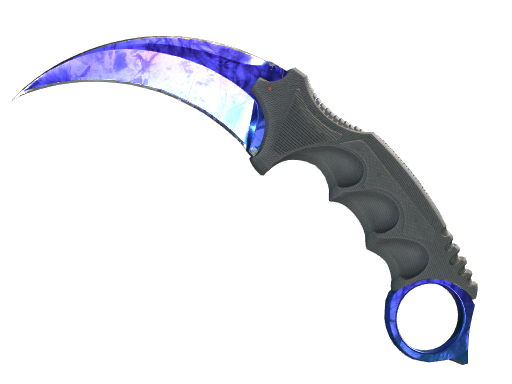
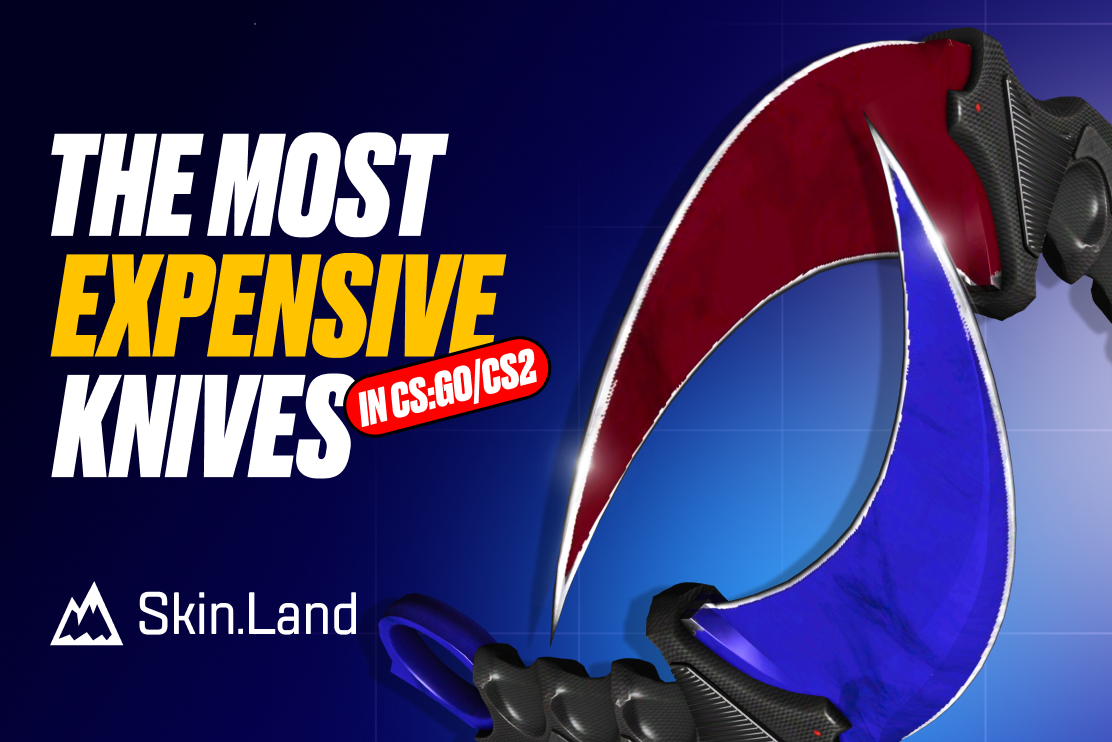
Karambit | Doppler Sapphire เป็นอีกเรื่องหนึ่ง — ในอดีตมีราคาประมาณ 1,000 ดอลลาร์ในปี 2017 และตอนนี้มีราคาประมาณ 4,800 Factory New แต่อุปทานไม่ได้ปิดในลักษณะเดียวกัน: ยังคงหาได้จากเคส Chroma, Chroma 2 และ Chroma 3 การเติบโตของราคาที่นี่ลดลงตามความต้องการที่ยั่งยืนและมีโอกาสน้อยมากที่จะแกะกล่องในระยะ Doppler ที่หายากนี้ ซึ่งมากกว่าการตัดอุปทานฮาร์ดใดๆ — Karambit ยังคงเป็นหนึ่งในประเภทมีดที่เป็นที่ต้องการมากที่สุดของ CS2 แต่นั่นเป็นเรื่องราวของความต้องการมากกว่าความขาดแคลน
กรณีเหล่านี้ไม่ได้แยกออกจากกัน — คำแนะนำเกี่ยวกับ CS2 สกินที่คุ้มค่าแก่การลงทุน ของเราได้รวบรวมตัวเลือกเพิ่มเติมที่มีโปรไฟล์ใดโปรไฟล์หนึ่งจากสองโปรไฟล์นี้: อุปทานที่จำกัดหรืออุปสงค์ที่แข็งแกร่งเป็นพิเศษ
เหตุผลที่ไม่ควรลงทุน (ความเสี่ยงที่แท้จริง)
การโต้แย้งที่ชัดเจนที่สุดไม่ใช่เรื่องสมมุติ — มันเกิดขึ้นแล้ว ในวันที่ 22 ตุลาคม 2025 (บางแหล่งอ้างอิงถึงวันที่ 23 ตุลาคมเนื่องจากความแตกต่างของเขตเวลา) Valve ได้อัปเดตสัญญา trade-up เพื่อให้สกินหายาก Covert ห้าสกินแปลงเป็นมีดหรือถุงมือโดยตรง ซึ่งเป็นสิ่งที่ก่อนหน้านี้ทำได้โดยการดึงเคสหายากหรือซื้อทันที การประมาณการของตลาดบางแห่งในขณะนั้นชี้ให้เห็นว่ามูลค่าตลาดสกินทั้งหมด CS2 ลดลงอย่างรวดเร็วภายใน 48 ชั่วโมง โดยมีดระดับกลางเช่น Flip Knives และ Bayonets มีราคาลดลงอย่างมากเนื่องจากเส้นทางอุปทานใหม่อย่างกะทันหันท่วมตลาด - ตัวเลขที่แน่นอนแตกต่างกันไปตามแหล่งที่มาและไม่ได้รับการยืนยันอย่างเป็นอิสระ แต่มีการรายงานทิศทางของการเคลื่อนไหวอย่างกว้างขวาง รายละเอียด ของการอัปเดต trade-up ของเราครอบคลุมรายละเอียดกลไกอย่างละเอียด
นอกเหนือจากเหตุการณ์หนึ่งนั้น ความเสี่ยงเชิงโครงสร้างก็คุ้มค่าที่จะชั่งน้ำหนักด้วยตัวมันเอง: การขายผ่าน Steam Community Market มาพร้อมกับค่าธรรมเนียมตลาดที่กินในทุกการขาย (ตลาดกลางบุคคลที่สามใช้โครงสร้างค่าธรรมเนียมที่แตกต่างกัน) สินค้าราคาแพงมีสภาพคล่องน้อยกว่าสินค้าราคาถูกมาก (ผู้ซื้อน้อยลงหมายถึงการขายช้าลง มักจะมีส่วนลด) และ Valve สามารถเปลี่ยนกฎของทั้งระบบได้ตลอดเวลาโดยไม่มีการเตือน — ไม่มีกฎระเบียบหรือการปกป้องในลักษณะเดียวกับสินทรัพย์ทางการเงินที่แท้จริง
แล้วมันคุ้มค่าไหม?
จริงๆ แล้วมันขึ้นอยู่กับสกินที่คุณหมายถึงเป็นอย่างมาก สกินที่มีการจ่ายปิดอย่างแท้จริง — Howl ซึ่งถูกลบออกจากระบบดรอปของ Valve โดยสมบูรณ์โดยไม่มีวิธีการที่ถูกต้องในการสร้างสำเนาใหม่ — มีประวัติที่ชัดเจนที่สุด สกินที่มีอุปทานจำกัดอย่างมากแต่ไม่ได้ปิดอย่างสมบูรณ์ เช่น Dragon Lore (สำเนาใหม่ต้องการอินพุต trade-up ที่หายากมากขึ้นเรื่อยๆ) และสกินที่มีความต้องการหนักอย่างต่อเนื่องแม้จะมีอุปทานแบบเปิด เช่น เฟสมีดระดับบนสุด Doppler ก็ยังคงอยู่ได้ดีเช่นกัน แม้ว่าสิ่งเหล่านี้จะเป็นเรื่องราวเกี่ยวกับอุปสงค์และความขาดแคลนแทนที่จะเป็นการตัดทอนอย่างหนักอย่างแท้จริง ไม่ว่าจะด้วยวิธีใด สิ่งนี้ใกล้เคียงกับการสะสมมากกว่าการซื้อขายรายวัน การไล่ตามการเปิดตัวใหม่ที่ทันสมัยหรือการเสร็จสิ้นที่เพิ่มเข้ามาเมื่อเร็ว ๆ นี้ถือเป็นเดิมพันที่สั่นคลอนมาก เนื่องจากการตัดสินใจของ Valve เอง (กรณีใหม่ การเปลี่ยนแปลงกลไกเช่นเดือนตุลาคมปี 2025) สามารถตัดราคาได้โดยไม่ต้องแจ้งให้ทราบล่วงหน้า
การปฏิบัติต่อสกิน CS2 เป็นเพียงผลประโยชน์เล็กๆ น้อยๆ แทนที่จะมาทดแทนยานพาหนะเพื่อการลงทุนจริงนั้น ถือเป็นการวางกรอบที่เที่ยงตรงมากกว่า — และหากคุณเข้าร่วม คู่มือแนวทางการซื้อขาย กับการลงทุน และ คำแนะนำเกี่ยวกับเวลาที่จะขาย ของเราครอบคลุมด้านการปฏิบัติจริงของการจัดการการตัดสินใจนั้น

คำถามที่พบบ่อย
CS2 สกินเป็นการลงทุนที่ดีกับ 2026 หรือไม่?
สำหรับหมวดหมู่แคบๆ — สินค้าที่เป็นอุปสงค์ในอดีตซึ่งมีอุปทานที่จำกัดหรือมีความต้องการที่แข็งแกร่งเป็นพิเศษ เช่น Dragon Lore หรือ Karambit Doppler ตัวแปร — บางส่วนมีประวัติที่แข็งแกร่งในระยะยาว สำหรับสกินอื่นๆ ส่วนใหญ่ โดยเฉพาะอย่างยิ่งการออกใหม่ล่าสุด สกินนี้มีความใกล้เคียงกับการเก็งกำไรมากกว่าการลงทุน
เกิดอะไรขึ้นกับราคาผิว CS2 ในเดือนตุลาคม 2025
Valve อัปเดตสัญญา trade-up เพื่อให้ผู้เล่นแปลงสกิน Covert ห้าสกินให้เป็นมีดหรือถุงมือ ซึ่งเป็นเส้นทางที่ไม่เคยมีมาก่อน การประมาณการของตลาดบางแห่งชี้ให้เห็นว่าอุปทานใหม่อย่างกะทันหันทำให้มูลค่าตลาดรวมลดลงอย่างรวดเร็วภายใน 48 ชั่วโมง และราคามีดระดับกลางลดลงอย่างมาก แม้ว่าตัวเลขที่แน่นอนจะแตกต่างกันไปตามแหล่งที่มา แต่ก็ยังเป็นตัวอย่างที่ชัดเจนว่าการตัดสินใจของ Valve เพียงครั้งเดียวสามารถขับเคลื่อนตลาดทั้งหมดได้เร็วเพียงใด
สกิน CS2 ไหนที่มีมูลค่าดีที่สุด?
สกินจะคงคุณค่าไว้ด้วยเหตุผลหลายประการที่ทับซ้อนกัน — อุปทานปิดอย่างแท้จริง (Howl ถูกถอดออกจากระบบดรอปของ Valve ทั้งหมด), อุปทานที่มีข้อจำกัดอย่างมาก (Dragon Lore โดยที่สำเนาใหม่ต้องการอินพุตที่หายากมากขึ้น trade-up มากกว่าการดรอปปกติ) หรือความต้องการที่หนักหน่วงอย่างต่อเนื่องแม้ว่าอุปทานจะดำเนินต่อไปในทางเทคนิค (เฟสมีดระดับบนสุด Doppler ยังคงหาได้จากเคส Chroma แต่ไล่ล่าอย่างหนักพอที่จะรักษาราคาไว้ได้) คู่มือการลงทุนที่เชื่อมโยงไว้ก่อนหน้าของบทความนี้ครอบคลุมการเลือกเฉพาะในเชิงลึกมากขึ้น
การลงทุนใน CS2 สกิน มีความเสี่ยงมากกว่าการซื้อขายหรือไม่?
พวกมันมีความเสี่ยงที่แตกต่างกันมากกว่าที่จะปลอดภัยกว่า การซื้อขายขึ้นอยู่กับจังหวะเวลาและความรู้ของตลาด ในขณะที่การถือครองระยะยาวขึ้นอยู่กับสินค้าที่เลิกผลิตแล้วซึ่งยังคงหยุดการผลิตและเป็นที่ต้องการ คู่มือการซื้อขายและการลงทุนที่ลิงก์ด้านบนจะแจกแจงว่าแนวทางใดเหมาะสมกับกรอบความคิดใด
ฉันควรลงทุนในสกินใหม่หรือสกินเก่าที่เลิกผลิตไปแล้วหรือไม่?
สกินที่เก่ากว่าและเลิกผลิตแล้วมีแนวโน้มที่จะมีประวัติที่แข็งแกร่งกว่า เนื่องจากอุปทานใหม่อาจถูกจำกัดหรือจำกัดอย่างมีประสิทธิภาพขึ้นอยู่กับแหล่งที่มา ในขณะที่ความต้องการยังคงเพิ่มขึ้น การออกรุ่นใหม่นั้นคาดเดาได้ยาก — อุปทานยังคงมีอยู่ และการตัดสินใจในอนาคตของ Valve (คอนเทนเนอร์ใหม่ การเปลี่ยนแปลงกลไก) อาจส่งผลกระทบต่อสิ่งเหล่านี้ในลักษณะที่ยากจะมองเห็นได้
สกิน CS2 มีประสิทธิภาพเหนือกว่าการลงทุนแบบดั้งเดิมเช่นหุ้นหรือไม่?
สกินบางสกินมีการโพสต์ผลตอบแทนที่แซงหน้าสินทรัพย์แบบดั้งเดิมจำนวนมากในช่วงระยะเวลาหนึ่งๆ แต่การเปรียบเทียบนั้นทำให้เข้าใจผิด — สกินไม่มีการควบคุม ไม่มีเงินปันผล ความเสี่ยงด้านสภาพคล่องที่แท้จริงของสินค้าราคาแพง และการพึ่งพาการตัดสินใจอย่างต่อเนื่องของบริษัทหนึ่ง ควรมองว่าเป็นของสะสมที่มีลักษณะการลงทุน ไม่ใช่หุ้นทางเลือก

เขียนความคิดเห็น