
What Are Positions in Dota 2?
The 1-to-5 position system isn't an official Valve matchmaking label — it's community and competitive-scene shorthand that stuck because it's genuinely useful. Positions 1 through 3 are the "cores": the three heroes who get priority access to farm and are expected to carry fights once they're items-deep. Positions 4 and 5 are the supports, who trade their own farm for wards, smokes, and utility items that keep the cores alive and winning fights.
Here's the breakdown at a glance:
| Position | Role | Farm Priority |
|---|---|---|
Pos 1 | Hard Carry (safe lane) | Highest |
Pos 2 | Mid Laner | High |
Pos 3 | Offlaner | Medium |
Pos 4 | Soft Support / Roamer | Low |
Pos 5 | Hard Support | Lowest |
Position 1: The Hard Carry
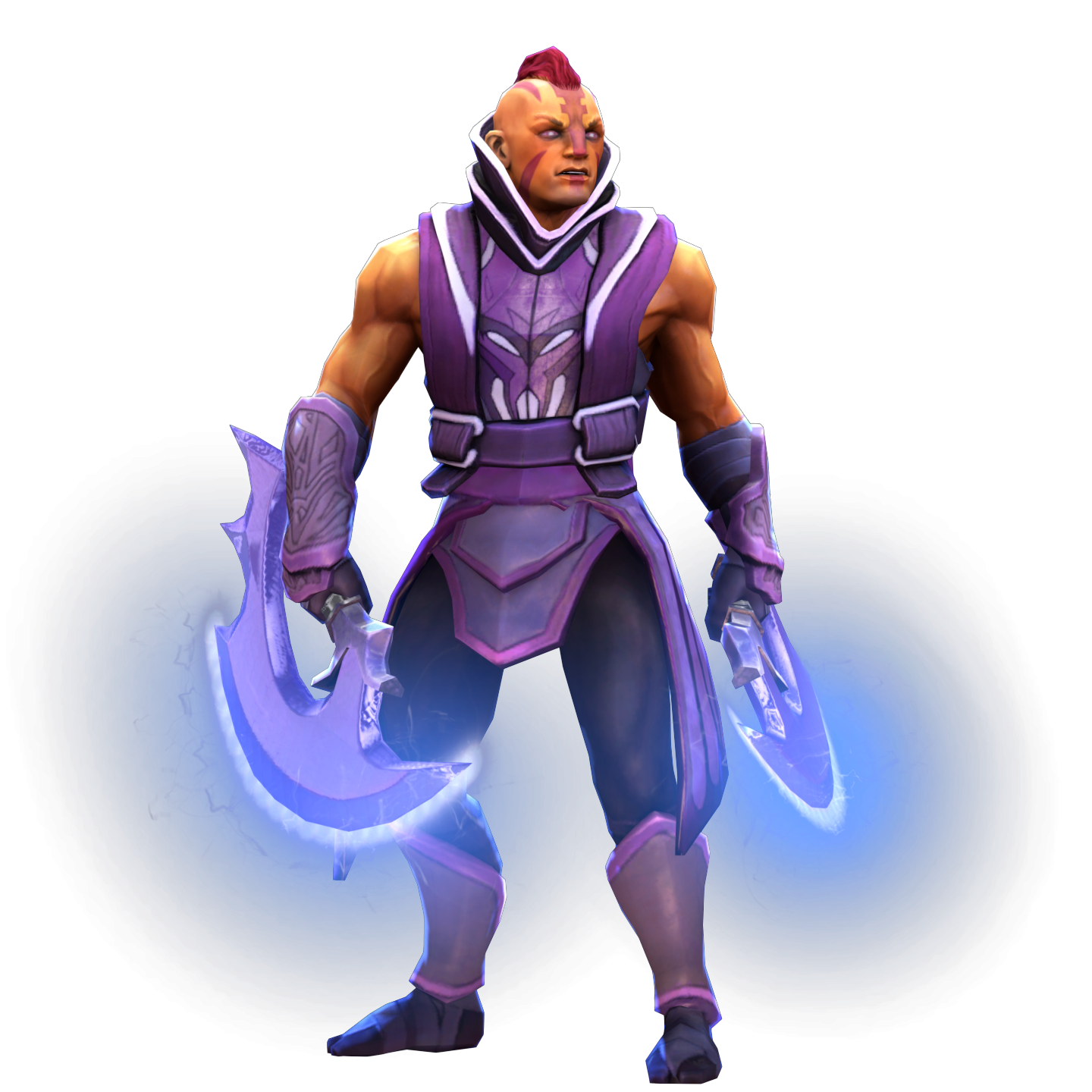
The Pos 1 slot gets the most farm on the team and usually holds down the safe lane alongside a Pos 5 hard support clearing the way. The entire plan is patience: survive the laning stage without dying, hit a core item spike, then take over fights the team was previously losing. Classic hard carries like Anti-Mage and Phantom Assassin are built around exactly this — relatively weak early, genuinely terrifying once farmed.
Position 2: The Mid Laner
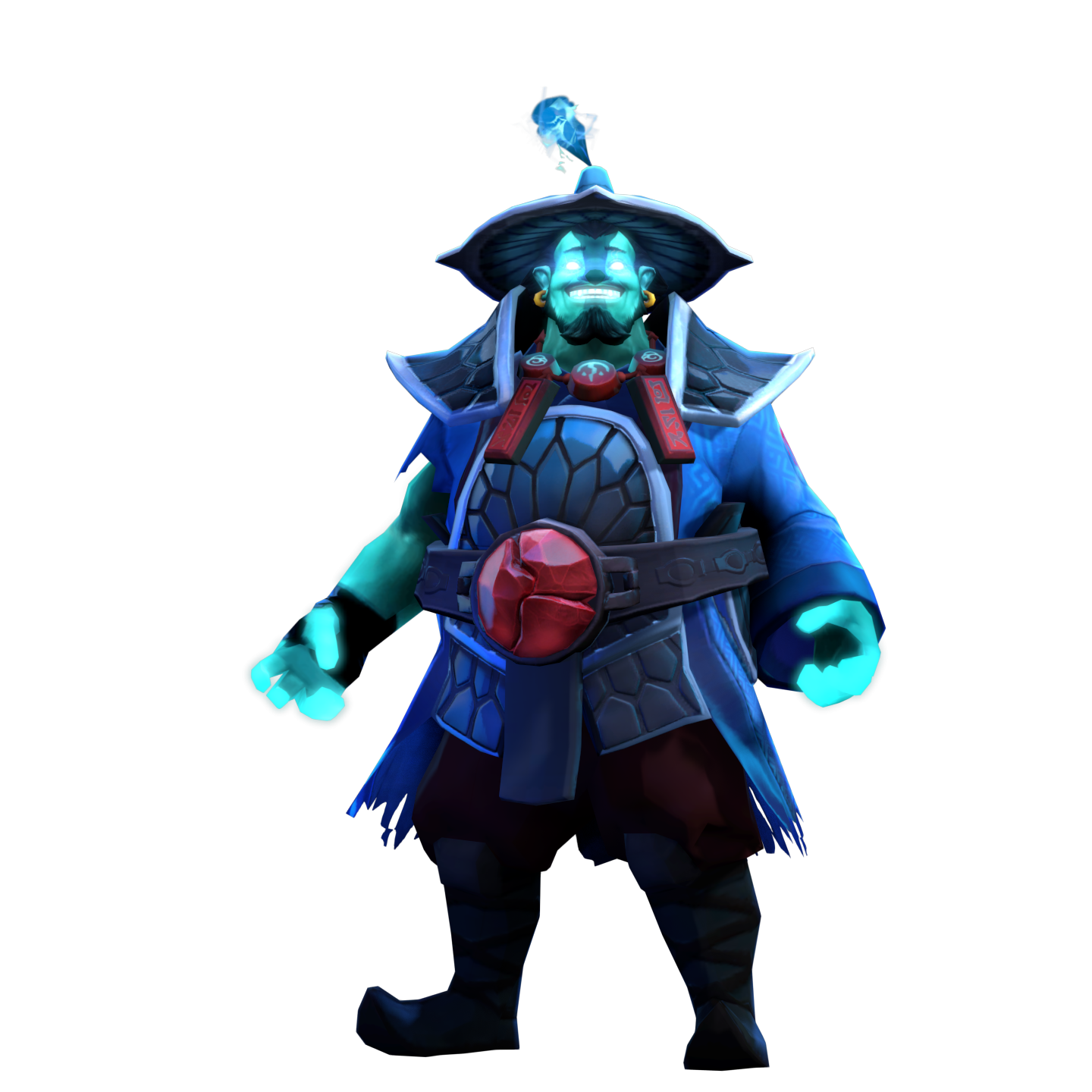
Mid gets the second-highest farm priority and plays solo against a single enemy hero, with faster access to levels and runes than any other lane on the map. Mid heroes are usually the tempo players of a draft — they're expected to roam and gank other lanes once they hit a power spike, long before the Pos 1 carry is ready to do the same. Storm Spirit, Puck, and Invoker are textbook examples of heroes built to dominate the mid matchup and then snowball the rest of the map.
Position 3: The Offlaner
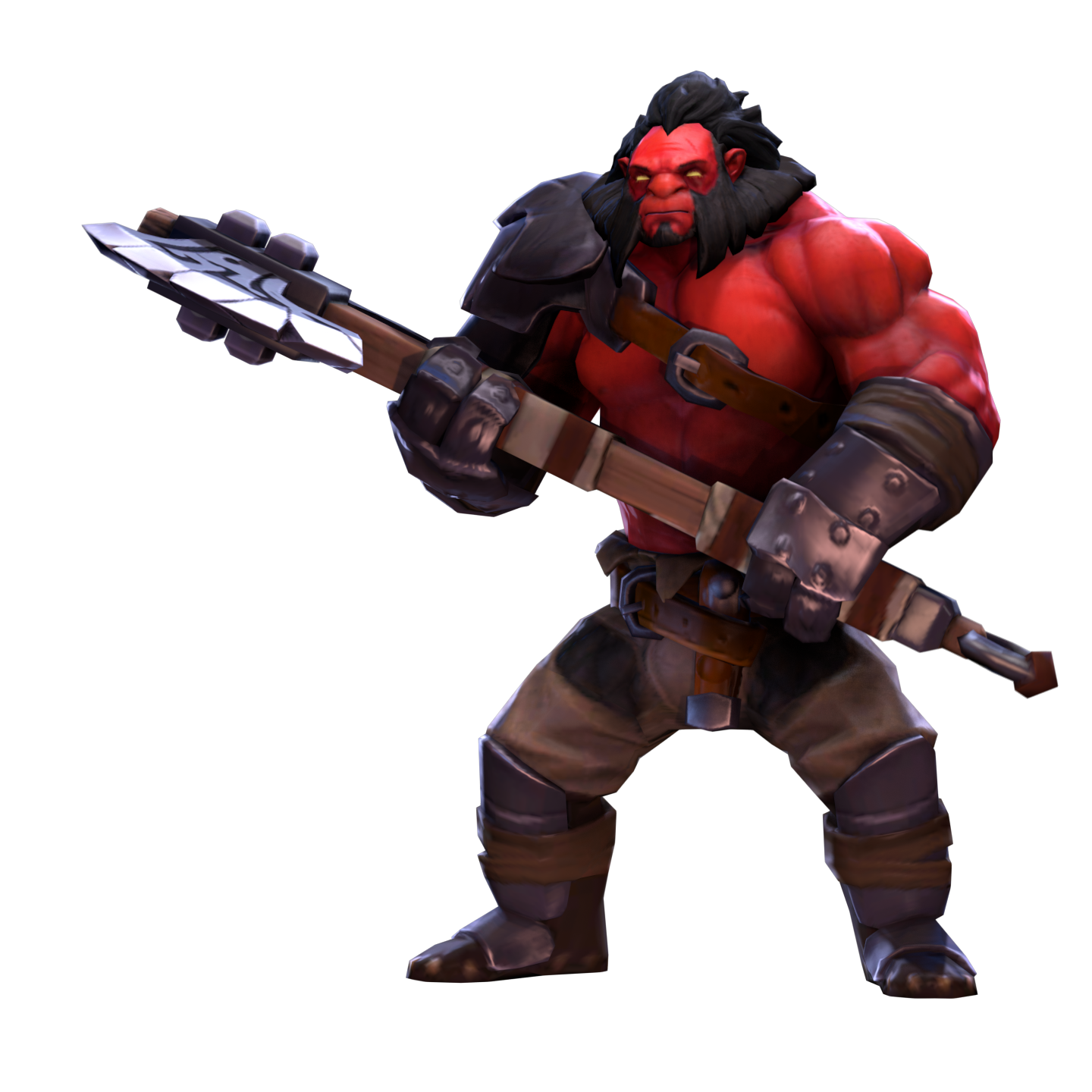
The offlane is the hardest lane to survive in — the Pos 3 hero is often facing down the enemy's carry and hard support at once, with less help and less farm than the safe lane gets. Because of that, offlaners are usually built for durability and initiation rather than pure late-game scaling: their job is to soak up punishment early, then force fights the team wants once the game opens up. Centaur Warrunner and Axe are both played this way — tanky, hard to kill outright, and dangerous the moment they can reliably start a teamfight.
Position 4: The Soft Support (Roamer)
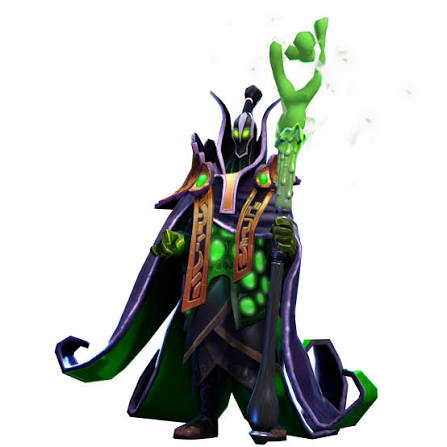
Pos 4 is the most flexible role on the team. These heroes roam the map in the early game looking for kills on other lanes, pick up a moderate amount of farm along the way, and lean on crowd control and utility to set up plays rather than win fights solo. Earthshaker and Rubick are common picks here — both have kits built around swinging a fight in an instant rather than out-damaging the enemy over time.
Position 5: The Hard Support
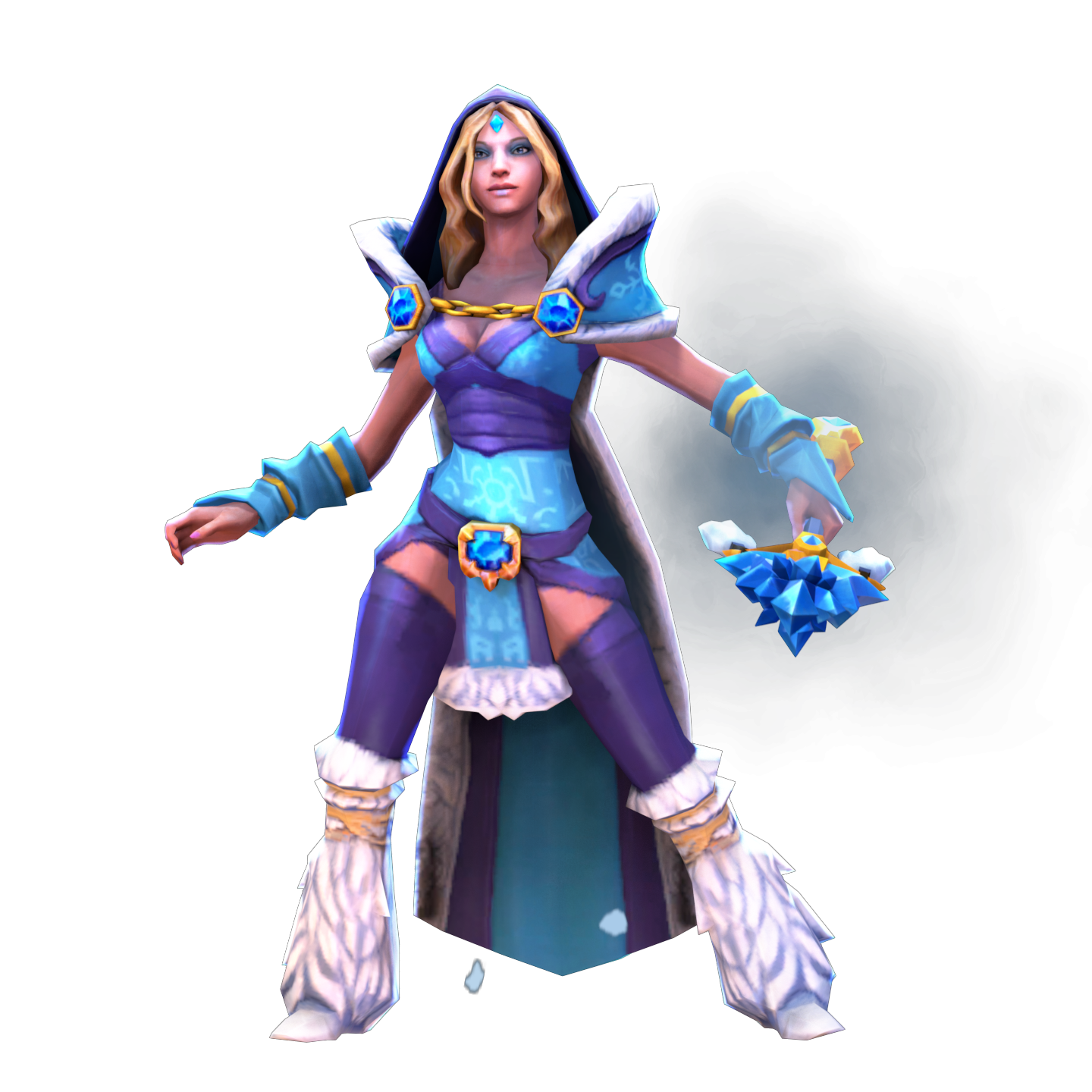
The Pos 5 hard support gets the least farm on the team by design, and most of what they do earn goes straight back into wards, smoke of deceit, and support items for everyone else. They typically babysit the Pos 1 carry in lane early on, then spend the rest of the match providing vision and utility rather than chasing their own item timings. Crystal Maiden, Dazzle, and Lion are all built to be effective with very little gold of their own.
Positions vs. Hero "Roles" — Not the Same Thing
It's easy to mix these up, so it's worth being explicit: a hero's position (1 through 5) is assigned by the draft and describes the job that specific game, while a hero's in-game role tags — Carry, Support, Initiator, Disabler, and similar labels shown on a hero's profile — describe what that hero's kit is generally good at, independent of any single match. A hero tagged "Carry" in its profile can absolutely be drafted as a Pos 4 roamer in the right lineup, and plenty of "Support"-tagged heroes get played as a Pos 3 offlaner instead. The position tells you the job; the role tags describe the toolkit.
One older role worth a mention: "jungling" used to describe farming the neutral camps instead of a lane, a dedicated playstyle in Dota 2's earlier years. Changes to neutral creep gold and item timings over the years have made a full-time jungler far rarer today — most heroes now split their time between lane farm and jungle camps rather than committing to one or the other.
A Quick Note on Hero Attributes
Positions and role tags aren't the only way Dota 2 sorts its heroes — every hero also has a primary attribute: Strength, Agility, or Intelligence, plus a fourth category called Universal for heroes who scale off a mix of stats instead of just one. Every hero gets passive bonuses from all three stats regardless of attribute (Strength adds health, Agility adds armor and attack speed, Intelligence adds mana and magic resistance), but only a hero's primary attribute converts directly into extra attack damage. With the hero pool sitting at roughly 127 heroes as of the 7.41 patch cycle, there's a lot of room to mix and match attributes with any of the five positions above.
Already settled on a main across a few of these roles? Our Dota 2 inventory value calculator guide is worth a look if you want to know what your current collection is worth, and Skin.Land's Dota 2 market is there if you're after cosmetics for whichever role you end up maining.
FAQ
What is a Pos 1 in Dota 2?
Pos 1 is the hard carry — the hero with the highest farm priority on the team, usually playing the safe lane early and expected to take over fights once they're farmed up in the mid-to-late game.
What's the difference between Position 4 and Position 5?
Both are support roles, but Pos 4 roams the map for kills and picks up a bit more farm along the way, while Pos 5 gets the least gold on the team and spends most of it on wards and items for everyone else rather than their own build.
Can a hero tagged "Carry" be played as a support?
Yes. A hero's in-game role tags describe its kit in general, not the specific job it has to do in a given draft — plenty of heroes with a "Carry" tag get drafted as a Pos 4 for their utility instead of their damage output.
How many roles does Dota 2 have?
There are five positions (Pos 1 through Pos 5) that describe farm priority, plus a separate set of descriptive role tags — Carry, Support, Disabler, Initiator, Nuker, Durable, Escape, and Pusher among them — that describe what a hero's kit is built to do.
What does "jungling" mean in Dota 2?
It refers to farming the neutral creep camps instead of a lane. It used to be a full-time playstyle for certain heroes, though changes to the game's economy over the years mean most heroes now split time between lane farm and the jungle rather than committing to one.
Is the 1-5 position system official?
Not formally — Valve doesn't label hero slots this way in the client. It's community and competitive-scene terminology that became the standard way players and analysts talk about team roles, and it's understood across the entire Dota 2 community regardless.


댓글 작성