
What Makes CS2 Skins Expensive?
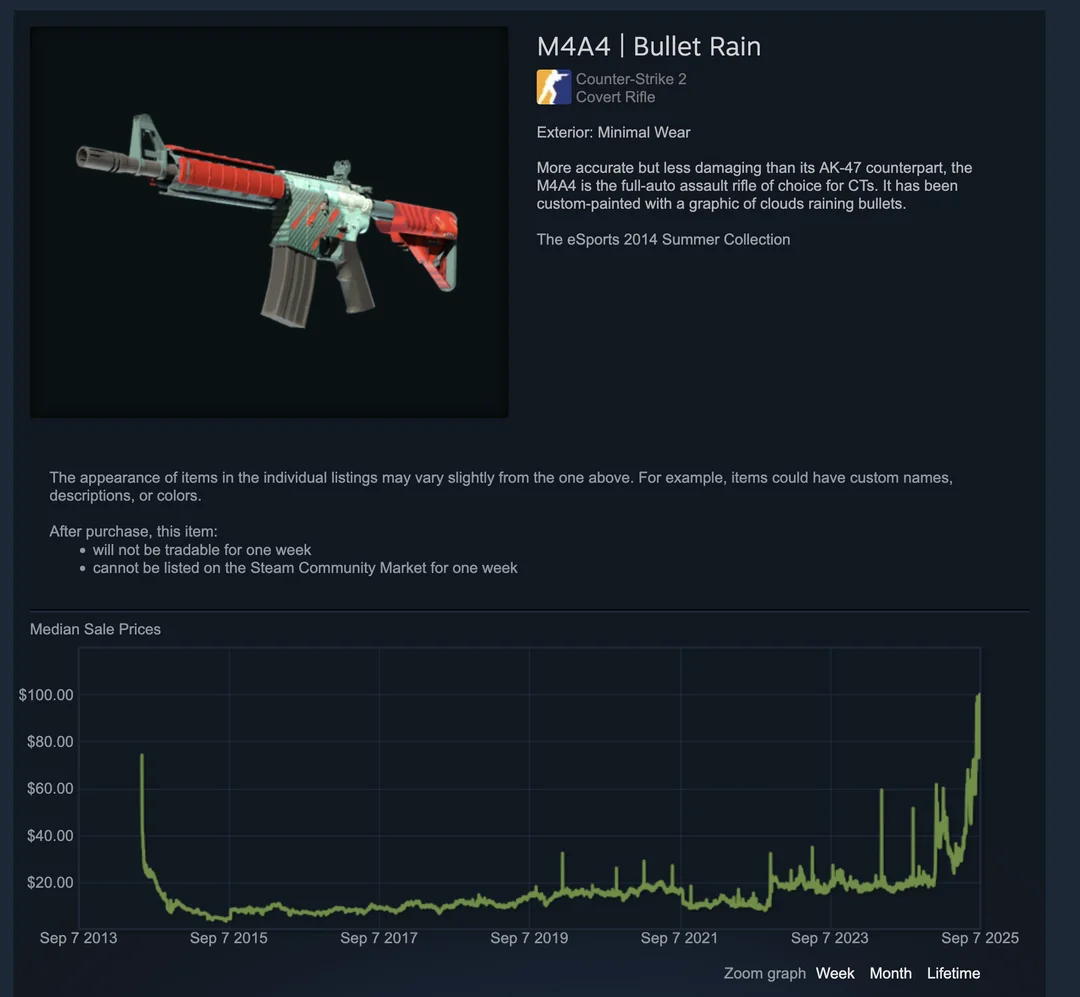
The general principle is simple: supply is finite, and demand continues to grow. However, there are several key factors that make the CS2 market so exciting – or so expensive.
Firstly, this is a drop system. The company determines which cases get included in the week's drop and which ones are going to be retired forever. As soon as a certain case exits the pool, new skins from it will not appear on the market anymore. While the demand level remains unchanged, the supply level drops to zero. This situation is always followed by price increases.
Secondly, there is a Steam marketplace commission. Selling any skin for the price above $0.01 on the platform costs the seller a 15% of the sale price. This automatically drives up prices, as people try to cover the cost of selling their items. There are ways around it, but they involve selling items outside of the Steam marketplace.
Lastly, this is market maturity. The daily trading value on Steam exceeds five million dollars. In the year after the release of the CS2, the transaction volume increased by over 70%. At this stage, the market works independently, not relying on the activities in the actual game anymore.
You can't really understand why CS2 skins are so expensive without understanding all three of these mechanics. Here are the core factors that drive the price of any given skin:
Drop rarity. The lower the odds of unboxing a skin, the higher its market price. Knives, gloves, and Covert-tier skins drop at a fraction of a percent – that's exactly why they cost what they do.
Limited supply. Once a case leaves the rotation, no new copies of its skins enter the market. Older collections get rarer with every passing year.
Constant demand. CS2 is one of the most popular shooters in the world. New players come in every day, and many of them eventually start exploring cosmetics.
Valve's influence. Every patch, every new case, every meta shift moves prices – sometimes up, sometimes down, but the market never stays indifferent.
Media exposure. A single stream featuring a rare item can pump its price by 30–50% within 24 hours. Streamers and YouTubers have long been a genuine part of the skin economy.
This isn't just a game shop – it's a fully functioning digital market with its own rules. And what makes CS2 skins so expensive is the combination of all these factors at once, not any single one of them.
Why Are Some CS2 Skins So Expensive?
A $3 skin and a $3,000 skin can come from the exact same case – and that's not an exaggeration. The price gap between a common weapon finish and a rare knife can stretch to thousands of times the base price, and there are very specific reasons for it.
Float is the first thing any experienced trader looks at. It's a number between 0.00 and 1.00 that defines the wear level of a skin. A Factory New with a float of 0.01 and the same skin at 0.06 can differ by hundreds of dollars. On certain items – especially knives – the condition gap effectively turns one skin into two completely different assets.
Pattern is its own story. Case Hardened and Doppler skins are generated randomly on every drop, and some combinations are so rare that their value defies normal logic. The Karambit Case Hardened with pattern 387 – the so-called Blue Gem – is currently valued at over $1.5 million. That's not a typo. The owner turned down a public offer at that price, believing it was too low.
This is why the question of why some CS2 skins are so expensive has no single answer – it depends entirely on the specific item. Here are the key factors that separate a "just expensive" skin from an "absurdly expensive" one:
Weapon type. Knives and gloves are in a category of their own. They drop at less than 0.26% odds when opening a case, and even the cheapest knives start at $50–100. The Butterfly Knife Gamma Doppler Emerald currently trades around $10,000.
Collection. Skins from retired collections automatically appreciate – the market stops receiving new copies.
Stickers. A Titan (Holo) Katowice 2014 sticker applied to a skin can add $150,000+ to its value. It's an entire sub-ecosystem within the market.
Item history. If a skin was owned by a well-known pro player or featured in a major stream, that adds symbolic value.
Visual appearance. After the move to CS2, the engine renders skins differently. The AWP Chromatic Aberration went from $2 to $25 simply because it looks noticeably better under the new lighting.
Agent skins are worth addressing separately. The question of why agent skins are so expensive in CS2 came up constantly in 2024–2025, when prices on them climbed by 50–300%. The reason is simple: Valve hadn't added new agents in years. All 63 existing models are a fixed, finite pool, and the market figured that out quickly. Sir Bloody Miami Darryl | The Professionals was sitting around $85 a year and a half ago – by mid-2025, it was trading at $120–200.
Knives deserve their own mention. Knife skins are so expensive in CS2 because every major factor converges on them at once: low drop rates, unique animations, collector demand, and the potential for ultra-rare "unicorn" patterns. On top of that, knives hold their value better than almost any other item – it's one of the few skin types that almost never crashes to zero.
Did CS2 Skins Get More Expensive?
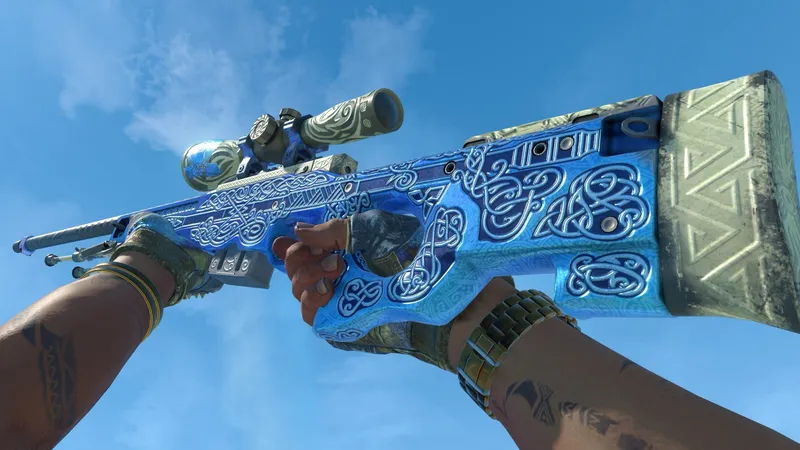
Yes, and by a significant margin. Looking at the long run, the CS skin market has been climbing ever since Valve introduced skins back in 2013. But a few specific events have accelerated that growth in particularly noticeable ways.
The CS2 launch in 2023 was the first major price inflection point. The new engine changed how skins look: some immediately gained value, others dipped. Players returning to CS after long breaks started buying cosmetics – demand spiked. According to market analysts, the number of transactions on the marketplace grew by more than 70% in the first year after CS2 launched.
Early 2025 brought a new record. According to the EsportFire 300 index, by the end of January 2025, skin prices had hit an all-time high – up 15% from December 2024. Notably, this happened without any major updates: no new operations, no significant meta changes.
Summer 2025 was defined by the agent skin surge and heavy activity from high-volume traders. That's when budget agents jumped tenfold in price – a skin that had been sitting at $1–2 for years suddenly landed at $50 and above.
October 2025 was arguably the most talked-about event. Valve updated the knife trade-up contract system, which caused knife prices to drop roughly 80% in under 48 hours. It was a shock for everyone holding knives as an investment. That said, the market has historically always recovered from shocks like this – it's not the first time a single patch rewrote the rules of trading.
You can't fully understand why CS2 skin prices have climbed so high without accounting for these events. Beyond the one-off shocks, there are also systemic processes at work – the gradual retirement of older cases from the drop pool, a growing player base, and the influence of major collectors and streamers. The M4A4 Buzz Kill went from $26 to nearly $1,459 in a single year – and then pulled back. Why are CS2 skins so expensive right now? In large part because the market stopped being a simple skin shop a long time ago. It's a full-blown speculative environment with institutional-level players.
Buy Now Before It Gets Pricier
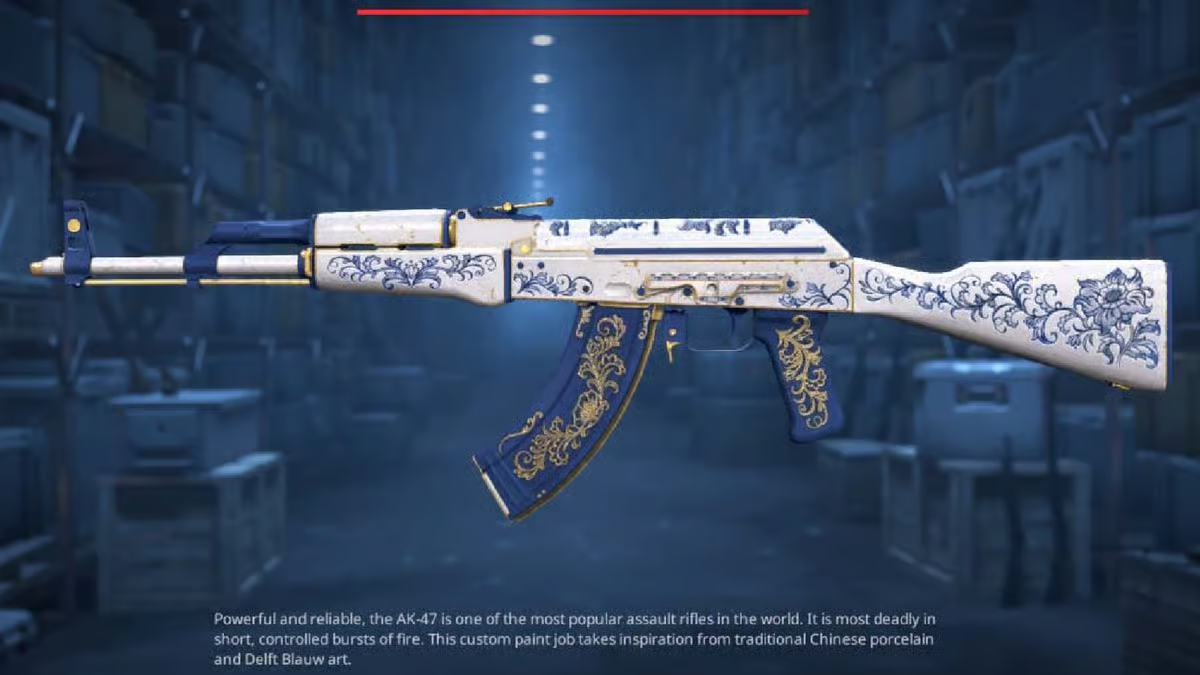
By all indications, prices for the best skins aren't heading down anytime soon – at least not for long. If you've been eyeing a knife, an agent, or just want to add something solid to your inventory, Skin.Land has good options at fair market prices right now. The catalog is extensive, every skin is verified, and waiting around for "when it gets cheaper" is a strategy that rarely pays off in CS2.

Write comment